

Cart
0


*Images are for reference only
×



Share this product
4.4
★
★
★
★
☆
Based on 11 reviews
We deliver within 7–10 working days.
Vendor: Jiffy Plants
Couldn't load pickup availability
100% Live & Healthy Plant
Secure payment
Healthy Roots Guarantee 🌱
Guarantee safe checkout


Moon Valley friendship plant
Rs. 149.00

Selling Size : Single Plant | Pot Included | Secure Packing
The Moon Valley friendship plant (Pilea involucrata 'Moon Valley') is a beautiful tropical houseplant known for its unique, textured foliage.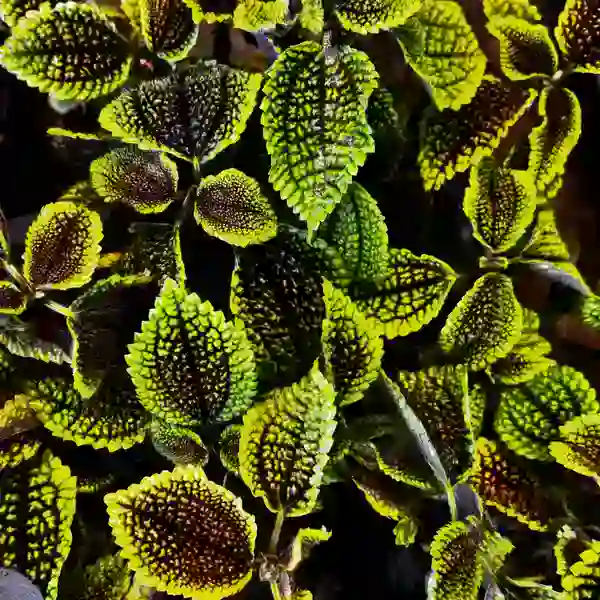 Moon Valley friendship plant
 Here's a guide to its care Moon Valley friendship plant :
Light
- Bright, indirect light is best. This plant thrives in filtered light, similar to its native rainforest floor habitat.
- Avoid direct sunlight, which can scorch its delicate leaves. An east or north-facing window is often ideal. If you have a south or west-facing window, place the plant a few feet back or use a sheer curtain to diffuse the light.
- Low-light tolerance. While it can survive in lower light, its foliage may become less vibrant and the stems may become leggy.
Watering
- Keep the soil consistently moist but not waterlogged. The key is to find a balance.
- Check the soil before watering. Water the plant when the top inch or two of the soil feels dry to the touch.
- Ensure proper drainage. The pot must have drainage holes to prevent the roots from sitting in water, which can lead to root rot.
- Reduce watering in the winter. During the cooler months, the plant's growth slows down, so it requires less water.
Humidity & Temperature
- High humidity is crucial. As a tropical plant, it thrives in environments with high humidity (around 50-70% or higher).
-
How to increase humidity:
- Place the plant on a pebble tray filled with water.
- Use a humidifier nearby.
- Group it with other plants to create a more humid microclimate.
- Avoid misting the leaves, as it can cause water spots.
- Maintain a warm temperature. The ideal temperature range is between 60°F and 75°F (15°C to 24°C). Avoid cold drafts and temperatures below 50°F (10°C).
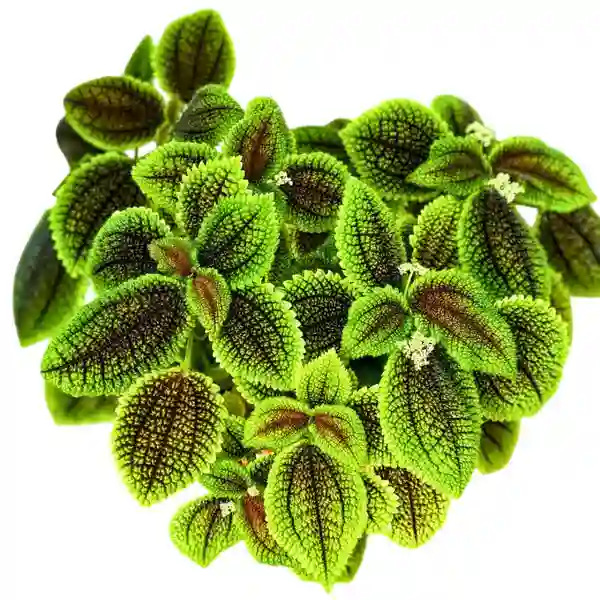 Moon Valley friendship plant
 Soil
- Use a well-draining, rich potting mix. A mix with good organic matter is best.
- A mix designed for African violets can work well as it retains moisture while providing adequate drainage. You can also create your own mix with a combination of peat moss or coco coir, and perlite to improve aeration.
Fertilizing
- Fertilize during the growing season. From spring through summer, feed your plant with a balanced, liquid fertilizer diluted to half strength.
- Do not fertilize in fall and winter. The plant's growth is dormant during this time and does not need extra nutrients.
Pruning and Propagation
- Prune to maintain a bushy shape. Pinch or trim back any leggy stems to encourage new, compact growth.
- Propagation is easy. You can propagate the plant from stem cuttings. Place the cuttings in water or moist soil, and they should root in a few weeks.
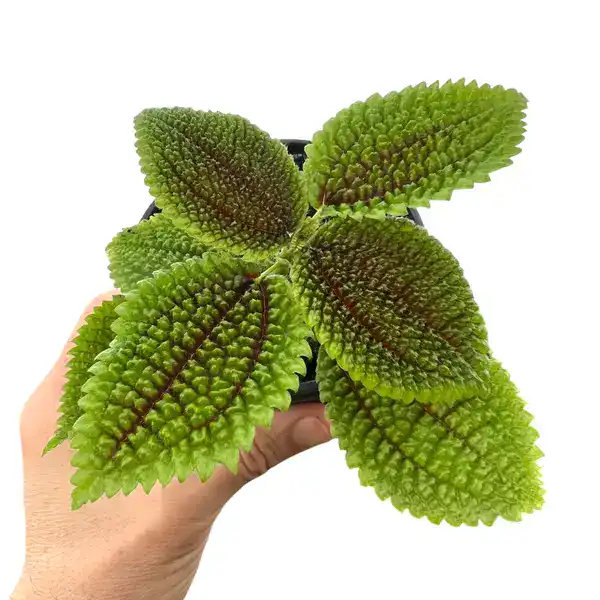 Moon Valley friendship plant
 Common Problems
- Yellowing leaves: This is often a sign of overwatering. Check the soil moisture and ensure the pot has good drainage.
- Brown, crispy leaves: This can indicate the plant is getting too much direct sunlight or not enough humidity.
- Pests: The plant is generally pest-resistant, but keep an eye out for common houseplant pests like spider mites, mealybugs, and aphids.
Customer Reviews for Jiffy Plants
F
Is the venus fly trap really in good condition if anyone has bought it.
A
Plant were all had pest holes
R
Plants were healthy and packing was quite good!! Happy with my plants
S
I received all the plants that I ordered in excellent condition. The packaging was perfect and the plants arrived as if I brought them from a nursery personally.
S
All the plants i recieved were in a very good condition and a recieved them wothin 2 days and the price was also good
C
Received the plants in very good condition, thank you so much.
N
Excellent service and products.
S
Had ordered ten plants in coco peat seeding capsules. It was delivered well packed and all the plants were healthy. Foliage.in platform friends were quick and very helpful with my queries. Appreciate the quality of plants and HR
J
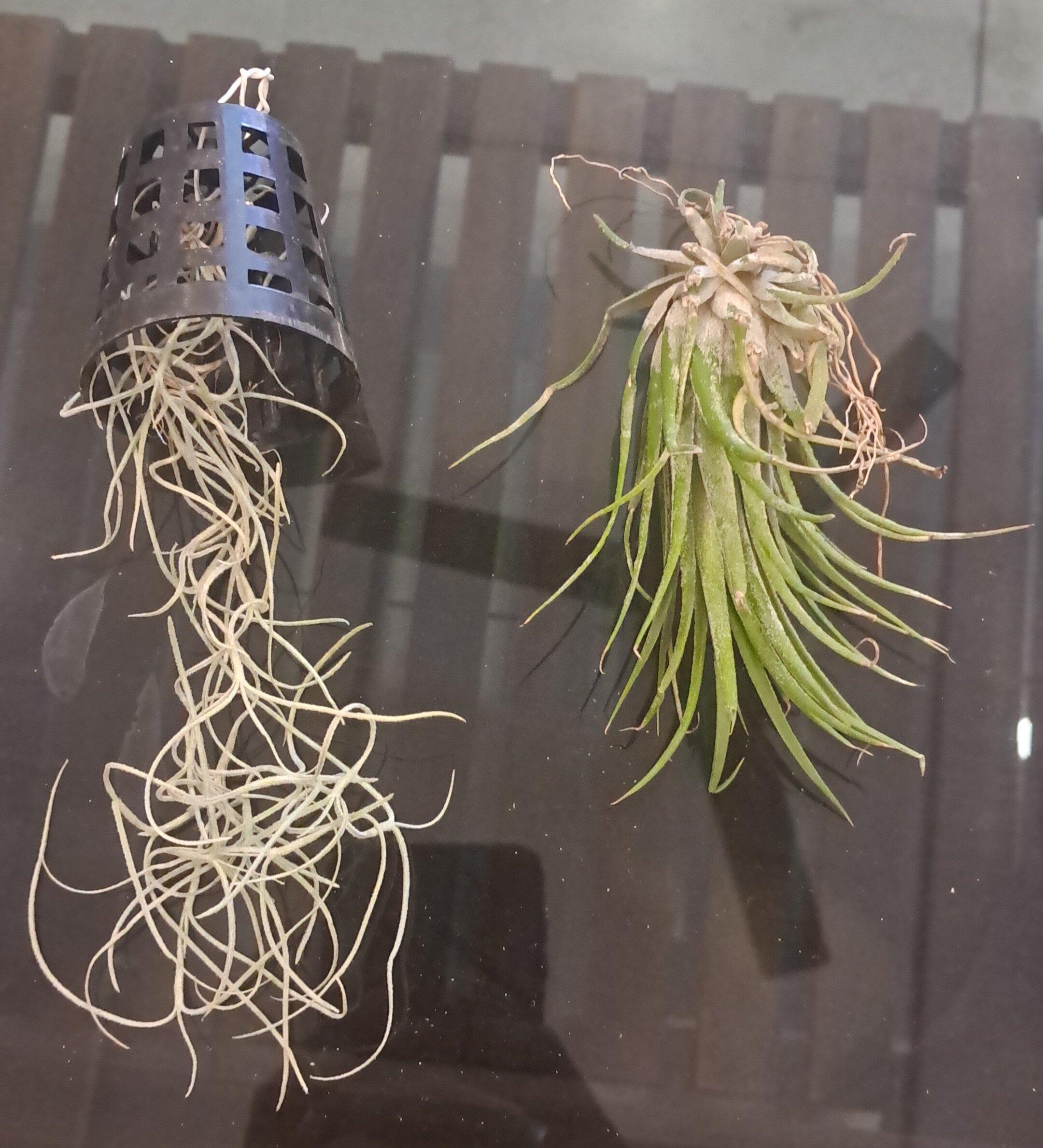
I bought Spanish moss and Tillandsia from Jiffy Plants and both came in good condition with good packing.
R
Plants are very healthy. Good packing too.
T
Excellent service and good product. Plant arrived healthy, well-packaged, and already budding. Very happy with my purchase


