

Cart
0


*Images are for reference only
×



Share this product
4.7
★
★
★
★
☆
Based on 9 reviews
We deliver within 7–10 working days.
Vendor: Ethereal DNA
Couldn't load pickup availability
100% Live & Healthy Plant
Secure payment
Healthy Roots Guarantee 🌱
Guarantee safe checkout


Fittonia green (Nerve Plant) – Rare Starter TC Plant - Ethereal DNA - Jiffy Sized
Rs. 89.00

Customer Reviews for Ethereal DNA
A
Great packaging and fast delivery with good and healthy plants
A
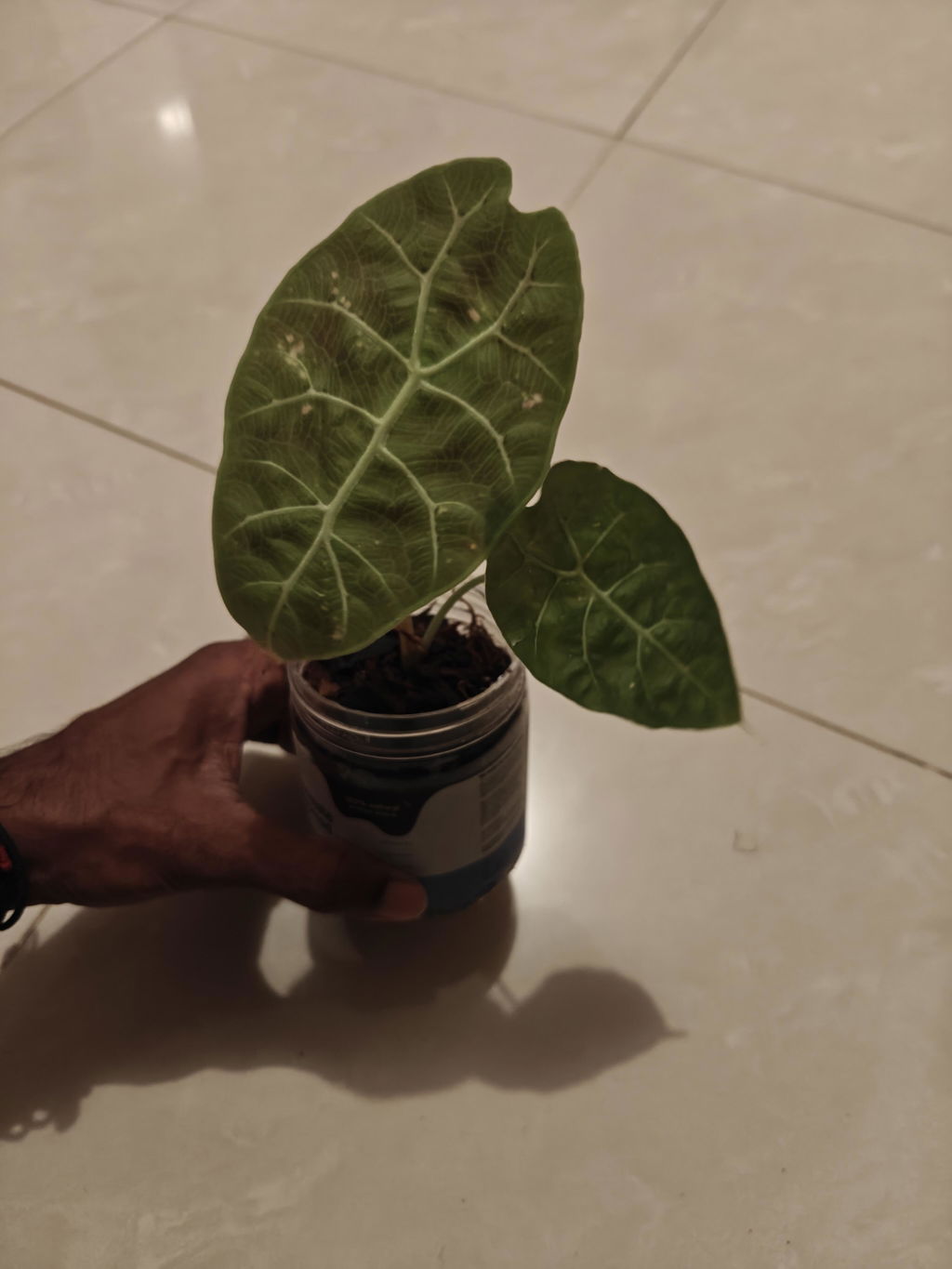
Despite of being a jiffy plant it was good in size and had healthy leaves and roots.
R
Plants were relatively in good condition except for the begonia which is quite bad shape rest of the plants were good especially Happ cause they gave two of each.packaging was also decent
S
R
The plants came in very good condition, all healthy. But all were in jiffy bags , while ordering it showed 4 inch pot size plant will be given. Overall the plants are same as shown, Thanks
A
bahut hi acche sealer hai plant condition bahut achcha hai samay kis rahte unhone courier nikal Diya Hai mere hath mein Aaye plant bahut hi acche condition Main aaya Hai
A
I am glad I bought plants from them . The plants are healthy. They arrived neatly packed and delivered before scheduled date. Happy !!!!!
M
I ordered a few plants and pots. The plants came super fresh and healthy. And the packaging was spot on. Highly satisfied.
J
received plant in good condition😍.will purchase more …