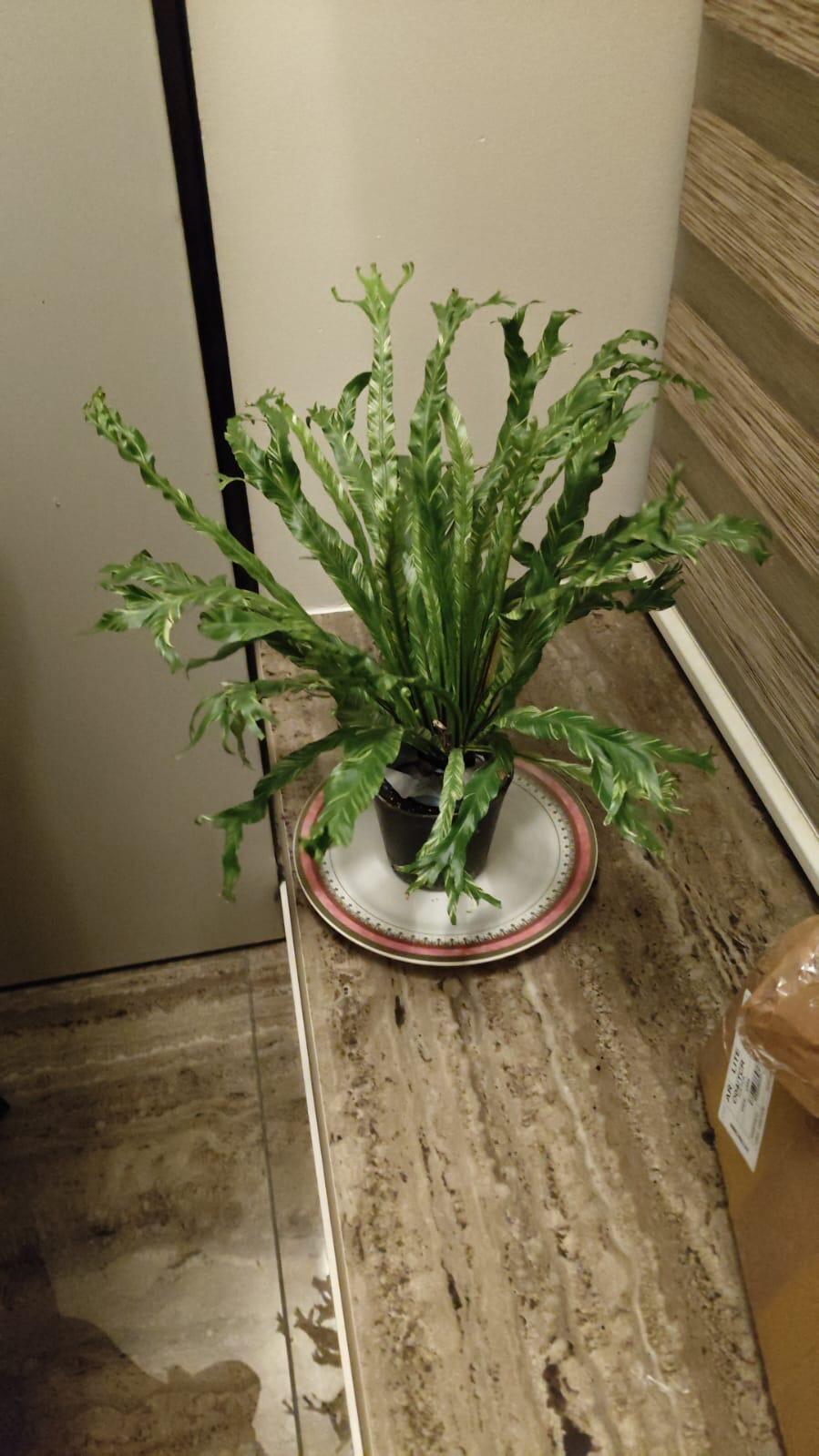
The Philodendron genus, a crown jewel among tropical aroids, is celebrated for its diverse and often spectacular foliage, originating from the rainforests of Central and South America. These captivating plants are renowned for their air-purifying qualities and ability to bring a lush, vibrant jungle aesthetic into any indoor space. The 'Prince of Orange' hybrid exemplifies this charm, boasting a remarkable display of evolving leaf colors that brighten any room.
🌟 Overview
- The Philodendron 'Prince of Orange' is a popular hybrid known for its strikingly colorful foliage.
- New leaves emerge in shades of bright orange, copper, or reddish-bronze, gradually fading to a beautiful lime green as they mature.
- This self-heading philodendron maintains a bushy, compact growth habit, making it ideal for tabletops and shelves.
- It's an excellent choice for adding a pop of vibrant, ever-changing color to your indoor plant collection.
☀️ Light Requirements
- Thrives in bright, indirect light. Avoid direct sunlight, which can scorch its leaves and dull the vibrant colors.
- Too little light will result in less intense orange coloration and slower growth.
- An east or north-facing window is often ideal, or a few feet back from a south or west-facing window.
💧 Water Requirements
- Water thoroughly when the top 1-2 inches of soil feel dry to the touch.
- Ensure good drainage to prevent root rot. Do not let the plant sit in standing water.
- Reduce watering frequency in cooler months (fall and winter) when growth slows.
- High humidity is appreciated; consider misting regularly or placing a humidifier nearby.
📏 Size & Growth
- Typically grows to a height and spread of 2-3 feet indoors, forming a dense, rounded shape.
- Growth rate is moderate, with new colorful leaves appearing consistently under optimal conditions.
- This plant does not vine but grows upwards and outwards from a central point.
🌍 Origin & Characteristics
- The Philodendron 'Prince of Orange' is a cultivated hybrid of tropical origin, belonging to the Araceae family.
- Its most distinctive feature is the dramatic color transformation of its leaves from brilliant orange to green.
- This evergreen plant is cherished for its ornamental value and relatively low-maintenance nature.
📇 Toxicity & Safety Warning
-
Toxic if ingested: All parts of the Philodendron 'Prince of Orange' contain calcium oxalate crystals, which can cause irritation to the mouth, throat, and digestive tract if consumed.
- Keep out of reach of pets and children.
- Wear gloves when handling if you have sensitive skin, as sap can cause irritation.
❓ Frequently Asked Questions
Q: How often should I fertilize my Philodendron Prince of Orange?
A: During the growing season (spring and summer), fertilize monthly with a balanced liquid fertilizer diluted to half strength. Reduce or stop fertilization in fall and winter.
Q: Why are my Philodendron Prince of Orange leaves losing their vibrant orange color?
A: If the vibrant orange color is fading quickly, it might be due to insufficient light. Ensure your plant receives bright, indirect light to encourage strong coloration. Overwatering or nutrient deficiencies can also play a role.
Q: Can I propagate my Prince of Orange?
A: Yes, it can be propagated through stem cuttings. Take a cutting with at least two nodes, allow it to callus for a day or two, and then root it in water or moist potting mix.