

Cart
0


*Images are for reference only
×



Share this product
4.4
★
★
★
★
☆
Based on 11 reviews
We deliver within 7–10 working days.
Vendor: Jiffy Plants
Couldn't load pickup availability
100% Live & Healthy Plant
Secure payment
Healthy Roots Guarantee 🌱
Guarantee safe checkout


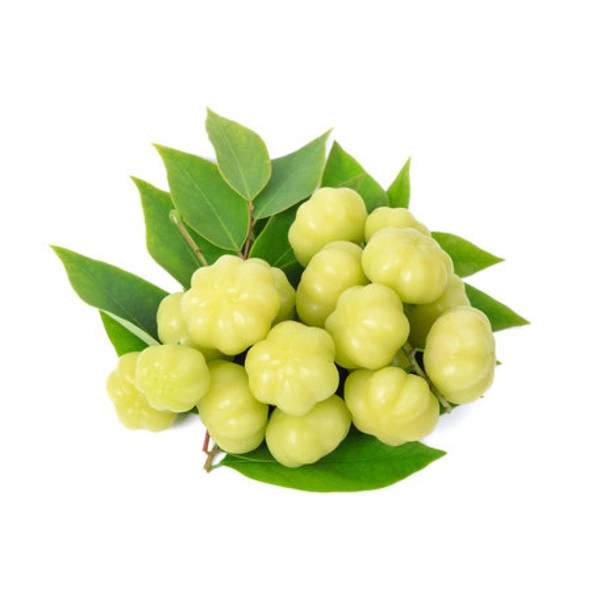
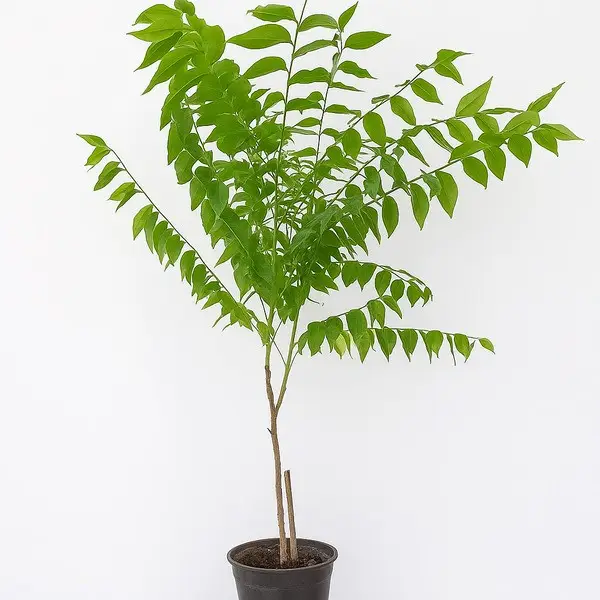
Phyllanthus Acidus, Ari Nellikka, Star Gooseberry
Rs. 149.00

Size: Single Plant | 2.5" Pot Included | Secure Packing
Phyllanthus acidus, also known as star gooseberry or Otaheite gooseberry, is a small tropical tree prized for its edible, tart fruits. It is a relatively low-maintenance plant, but providing the right conditions will ensure a healthy and productive tree.
Here's a guide to the care of Phyllanthus Acidus, Ari Nellikka, Star Gooseberry:
Light
- Full to Partial Sun: The plant thrives in full sun, receiving at least 6-8 hours of direct sunlight per day. It can tolerate some partial shade, but too little light may lead to stunted growth and reduced fruit production.
Water
- Regular Watering: Star gooseberry prefers a consistently moist environment, so regular watering is essential, especially during dry periods.
- Avoid Overwatering: While it likes moisture, the soil should be well-drained to prevent waterlogging, which can lead to root rot. Allow the soil to dry out slightly between waterings.
- Frequency: A good watering schedule is once every 1-2 weeks, but this can vary depending on your climate and whether the plant is in a pot or the ground. In very hot, dry climates, you may need to water more frequently.
Phyllanthus Acidus, Ari Nellikka, Star Gooseberry Soil
- Well-Drained and Rich: This tree thrives in well-drained, fertile soil. A loamy soil with a mix of organic matter is ideal.
- pH: The optimal soil pH is slightly acidic to neutral, in the range of 6.0-7.0.
Temperature and Humidity
- Tropical Climate: Phyllanthus acidus is a tropical plant and grows best in warm, humid climates.
- Temperature Tolerance: It is resilient and can tolerate temperatures from 0∘C (32∘F) to 38∘C (100∘F). However, it prefers a temperature range of 20∘C−35∘C (68∘F−95∘F).
- Protect from Frost: Young plants, in particular, should be protected from extreme cold and frost, which can cause leaf drop or wilting.
Fertilization
- During Growing Season: Fertilize the plant every 4-6 weeks during the growing season to promote healthy growth and fruit production.
- Type: A balanced fertilizer with a 10-10-10 N-P-K ratio is suitable. Organic compost or well-rotted cow dung is also an excellent option.
Pruning
- Purpose: Regular pruning helps to maintain the tree's shape, improve air circulation, and encourage new growth.
- When to Prune: The best time to prune is during the dormant season or after the fruiting period. Remove any dead, damaged, or overlapping branches.
- Benefits: Pruning can make harvesting easier and help to prevent disease problems.
Pests and Diseases
- Phyllanthus acidus is generally resistant to most pests. However, keep an eye out for common pests like aphids, spider mites, and mealybugs.
- If a pest problem arises, you can treat the plant with an organic insecticide, such as diluted neem oil spray.
Other Tips
- Mulch: Mulching around the base of the tree helps to retain soil moisture and suppress weeds. Keep the mulch a few inches away from the trunk to prevent rot.
- Container Growing: If you are growing the plant in a pot, choose a large container with good drainage. Repot the plant every 2-3 years or when it outgrows its current container.
- Fruiting: A grafted tree will typically start bearing fruit in 2-3 years, while a seedling-grown tree may take 6-8 years.
Customer Reviews for Jiffy Plants
F
Is the venus fly trap really in good condition if anyone has bought it.
A
Plant were all had pest holes
R
Plants were healthy and packing was quite good!! Happy with my plants
S
I received all the plants that I ordered in excellent condition. The packaging was perfect and the plants arrived as if I brought them from a nursery personally.
S
All the plants i recieved were in a very good condition and a recieved them wothin 2 days and the price was also good
C
Received the plants in very good condition, thank you so much.
N
Excellent service and products.
S
Had ordered ten plants in coco peat seeding capsules. It was delivered well packed and all the plants were healthy. Foliage.in platform friends were quick and very helpful with my queries. Appreciate the quality of plants and HR
J
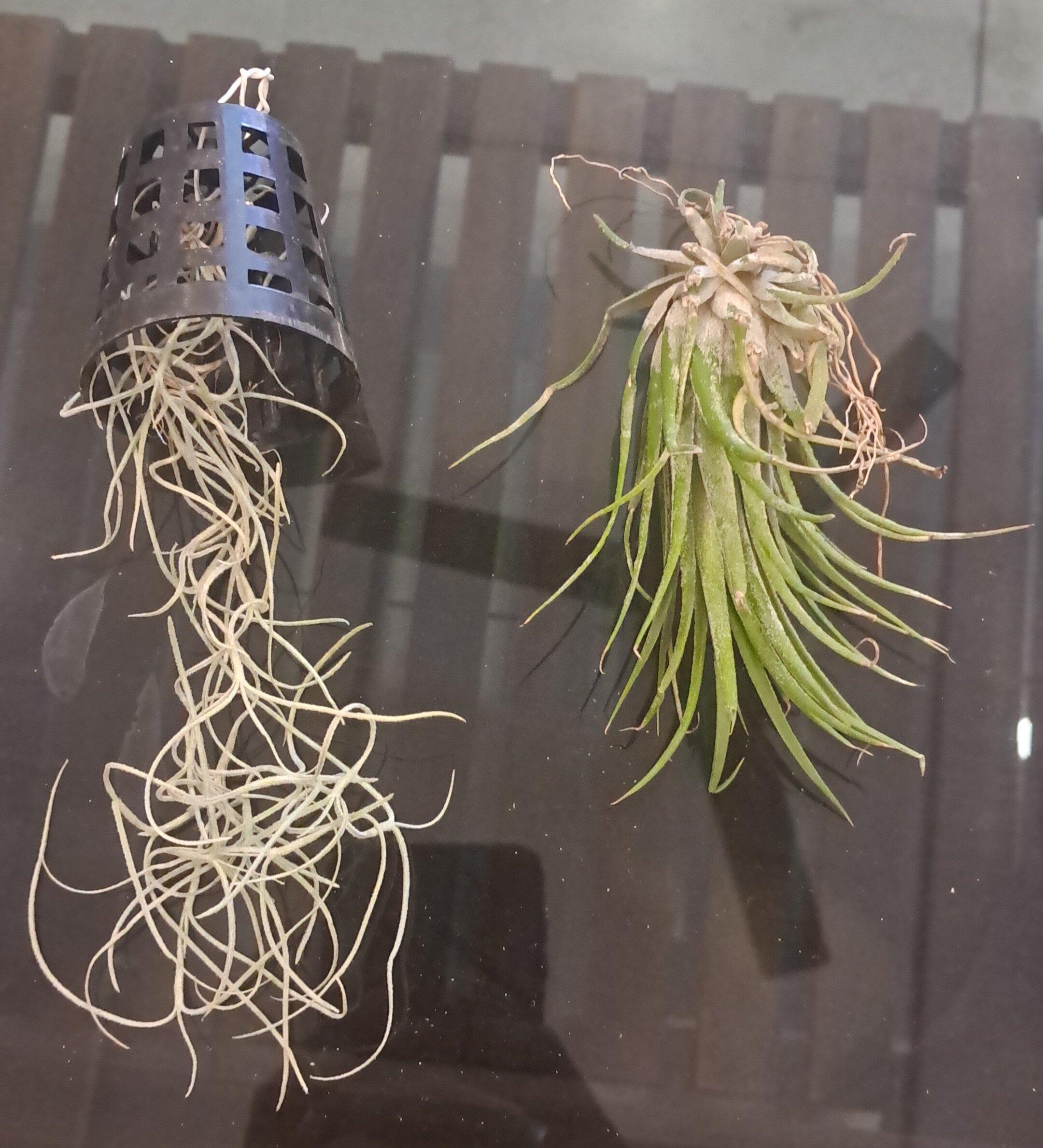
I bought Spanish moss and Tillandsia from Jiffy Plants and both came in good condition with good packing.
R
Plants are very healthy. Good packing too.
T
Excellent service and good product. Plant arrived healthy, well-packaged, and already budding. Very happy with my purchase


