

Cart
0


*Images are for reference only
×



Share this product
4.4
★
★
★
★
☆
Based on 11 reviews
We deliver within 7–10 working days.
Vendor: Jiffy Plants
Couldn't load pickup availability
100% Live & Healthy Plant
Secure payment
Healthy Roots Guarantee 🌱
Guarantee safe checkout


Pink Anthurium Plants - Double Shoot
Rs. 475.00

Selling Size: Please Choose | 2.5" Pot Included
Anthuriums, often called "Flamingo Flowers" or "Laceleaf plants," are popular houseplants known for their vibrant, waxy, heart-shaped "flowers" and glossy foliage. Native to tropical rainforests, they thrive when their indoor environment mimics these conditions.Buy it with affordable price
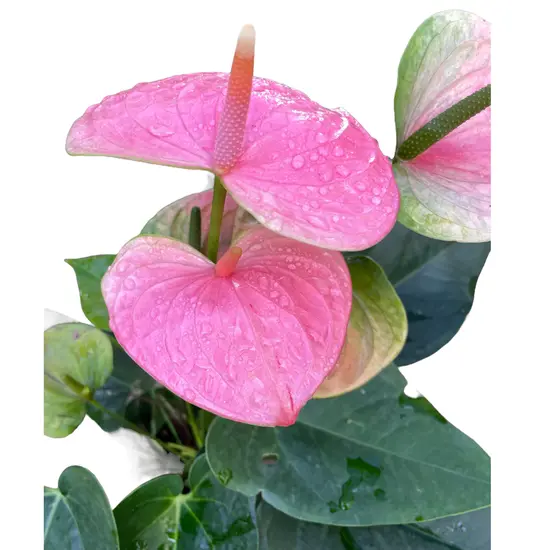
Here's a detailed guide to Anthurium care:
1. Light:
-
Bright, indirect light is key. This is crucial for both healthy foliage and abundant blooms.
-
Avoid direct sunlight, especially harsh afternoon sun, as it can scorch the leaves, leading to bleached spots or browning.
-
Too little light can result in leggy growth, pale foliage, and fewer or smaller blooms.
-
Ideal placement: Near an east or north-facing window, or a few feet from a south or west-facing window with sheer curtains to filter the light. Rotate your plant periodically for even growth.
2. Watering:
-
Water when the top 50-75% of the soil is dry to the touch. This usually means once a week to every 10 days, but it depends on factors like temperature, humidity, and pot size.
-
Do not let the soil dry out completely, but also never let it sit in standing water, as this is a common cause of root rot.
-
Ensure excellent drainage. Always use a pot with drainage holes. If using a decorative cachepot, ensure the plant's pot is elevated to prevent it from sitting in drained water.
-
Water thoroughly until water drains from the bottom, then discard any excess.
-
Reduce watering frequency in winter as the plant's growth slows.
-
Signs of improper watering:
-
Yellowing leaves: Often a sign of overwatering.
-
Brown tips/edges: Can indicate underwatering or low humidity.
-
Drooping/wilting leaves: Can be caused by both overwatering (root rot preventing water uptake) and underwatering (lack of moisture). Check the soil moisture to diagnose.
-
3. Humidity:
-
Anthuriums are tropical plants and love high humidity (60-80%). They can tolerate average household humidity but will truly thrive with more.
-
Ways to increase humidity:
-
Mist the leaves regularly (daily is beneficial, especially for new leaves).
-
Use a pebble tray filled with water beneath the pot (ensure the pot isn't sitting in the water).
-
Place a humidifier nearby.
-
Group plants together to create a microclimate.
-
Bathrooms or kitchens can be good spots due to naturally higher humidity.
-
4. Temperature:
-
Maintain warm, consistent temperatures between 18∘C and 28∘C (65∘F and 82∘F).
-
Avoid temperatures below 15∘C (59∘F), cold drafts, or sudden temperature fluctuations, as these can stress the plant and inhibit growth and flowering.
-
Keep them away from heating and air conditioning vents.
5. Soil and Potting:
-
Anthuriums are epiphytic in their natural habitat, meaning they grow on other plants rather than in soil. Therefore, they need a loose, well-draining, airy, and acidic potting mix that mimics their natural growing conditions.
-
A good aroid mix or orchid mix is ideal, often including:
-
Orchid bark (for excellent drainage and aeration)
-
Coco coir or peat moss (for moisture retention)
-
Perlite or pumice (for drainage and aeration)
-
A small amount of compost or vermicompost for nutrients.
-
-
Repotting: Repot every 1-2 years or when the plant becomes root-bound. Choose a pot only slightly larger than the current one. They don't mind being a little root-bound. Aerial roots are normal and don't necessarily indicate a need for repotting; you can leave them or gently tuck them into the soil.
6. Fertilizer:
-
Anthuriums are moderate feeders, especially during their active growing season (spring and summer).
-
Use a balanced liquid fertilizer formulated for flowering plants (e.g., higher in phosphorus, the middle number in NPK) diluted to half or quarter strength.
-
Fertilize every 2-4 weeks during spring and summer.
-
Reduce or stop fertilizing in fall and winter when growth slows.
-
Always water before fertilizing to prevent root burn.
-
Over-fertilization can lead to salt buildup and yellow spotting on leaves.
7. Pruning:
-
Remove spent flowers (spathes) by cutting the stalk close to the base of the plant. This encourages new blooms.
-
Trim off any yellowing, brown, or damaged leaves to direct the plant's energy towards healthy growth. Use clean, sharp pruners.
8. Pests and Diseases:
-
Anthuriums can occasionally be susceptible to common houseplant pests like spider mites, mealybugs, aphids, and thrips.
-
Inspect your plant regularly for signs of pests.
-
Treat infestations promptly with insecticidal soap, neem oil, or by wiping down leaves with a damp cloth.
-
Root rot is the most common disease, caused by overwatering and poor drainage. Symptoms include yellowing leaves, wilting despite wet soil, and mushy roots.
-
Fungal or bacterial leaf spots can occur in overly humid or poorly ventilated conditions. Ensure good air circulation.
9. Toxicity:
-
Anthurium plants contain calcium oxalate crystals and are toxic if ingested by pets or humans, causing irritation to the mouth and digestive tract. Keep them out of reach of children and animals.

By providing these consistent care conditions, your Anthurium will reward you with long-lasting, vibrant blooms and lush foliage.
Customer Reviews for Jiffy Plants
F
Is the venus fly trap really in good condition if anyone has bought it.
A
Plant were all had pest holes
R
Plants were healthy and packing was quite good!! Happy with my plants
S
I received all the plants that I ordered in excellent condition. The packaging was perfect and the plants arrived as if I brought them from a nursery personally.
S
All the plants i recieved were in a very good condition and a recieved them wothin 2 days and the price was also good
C
Received the plants in very good condition, thank you so much.
N
Excellent service and products.
S
Had ordered ten plants in coco peat seeding capsules. It was delivered well packed and all the plants were healthy. Foliage.in platform friends were quick and very helpful with my queries. Appreciate the quality of plants and HR
J
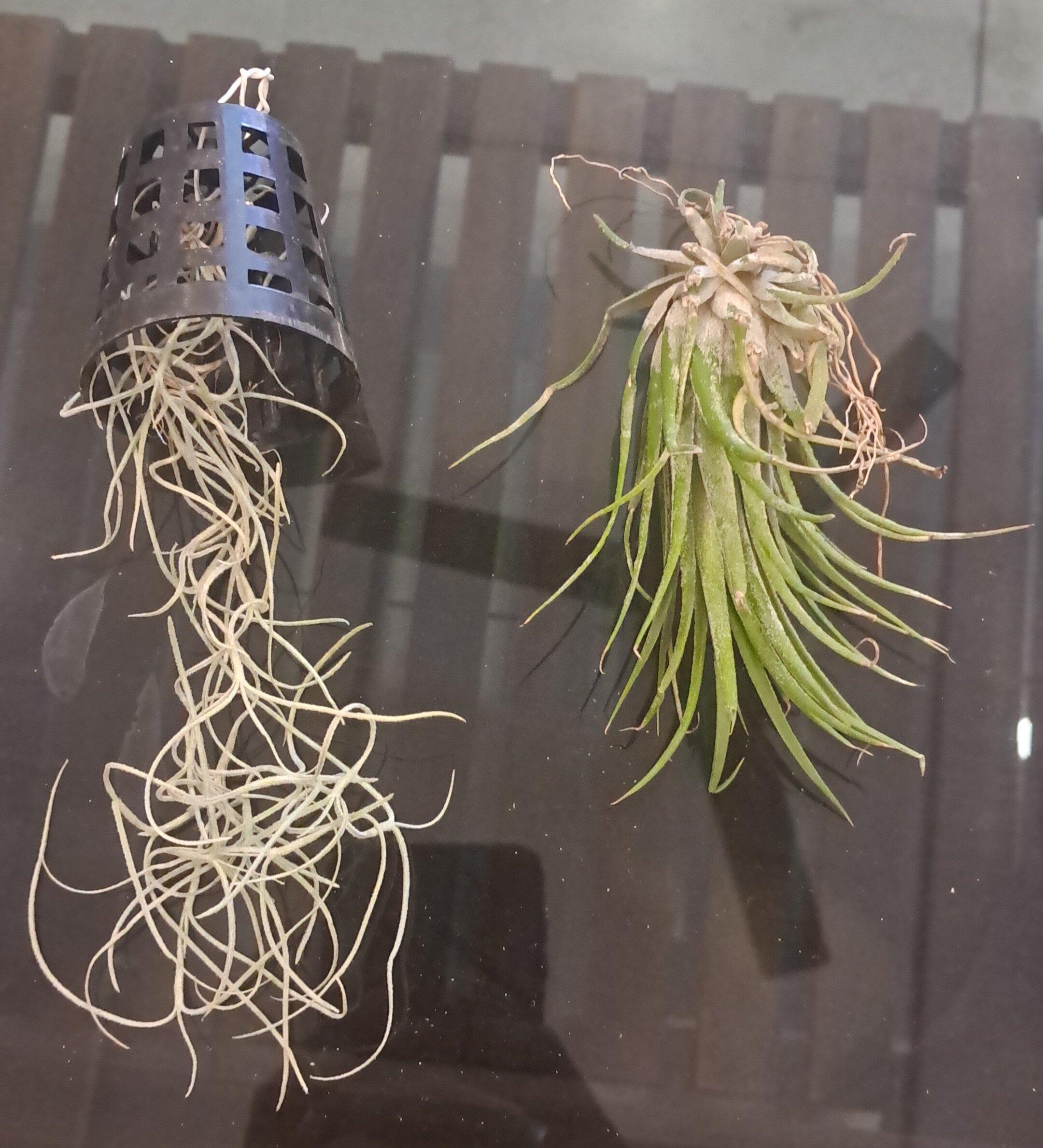
I bought Spanish moss and Tillandsia from Jiffy Plants and both came in good condition with good packing.
R
Plants are very healthy. Good packing too.
T
Excellent service and good product. Plant arrived healthy, well-packaged, and already budding. Very happy with my purchase


