

Cart
0


*Images are for reference only
×



Share this product
4.9
★
★
★
★
☆
Based on 8 reviews
We deliver within 7–10 working days.
Vendor: Jiffy Plants
Couldn't load pickup availability
100% Live & Healthy Plant
Secure payment
Healthy Roots Guarantee 🌱
Guarantee safe checkout


Raspberry Plant - Rare
Rs. 1,299.00

Selling Size : Single Plant | Pot Included | Secure Packing | Free delivery
Caring for Raspberry Plant involves providing them with the right environment and, most importantly, following a specific pruning schedule based on the type of raspberry you are growing.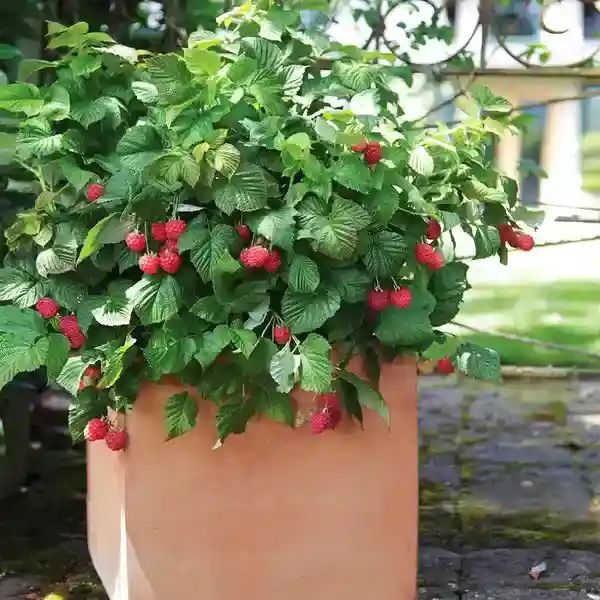 Raspberry Plant
 Here is a comprehensive guide to raspberry plant care:
1. Light,Soil, and Support
| Factor | Requirement | Notes |
| Sunlight | Full Sun (6-8 hours) for best crops, though they tolerate light partial shade. | Choose a site with good air circulation to help dry leaves, which reduces disease risk. |
| Soil | Fertile, Well-Drained soil. They hate waterlogging. | Slightly acidic soil is ideal (pH 6.0−6.7). Amend heavy soil with compost and organic matter to improve drainage. Raised beds are excellent for raspberries. |
| Watering | Consistent Moisture is essential, especially from flowering until harvest. | Raspberries need about 1 to 1.5 inches of water per week. Due to their shallow roots, regular watering is better than occasional deep soaking. |
| Support | Required. Canes are tall and need support to prevent them from sprawling and breaking. | Use a trellis system with horizontal wires (a T-trellis or simple post-and-wire) or strong stakes/pyramid supports. |
2. Mulching and Fertilizing Raspberry Plant
-
Mulching: Apply a 3 to 5 inch layer of organic mulch (compost, well-rotted manure, or wood chips) around the plants in late winter/early spring.
- Benefits: Retains moisture, suppresses weeds, and adds organic matter to the soil.
- Caution: Leave a small gap around the base of the canes to prevent rot.
-
Fertilizing: Raspberries are not heavy feeders if the soil is amended with compost, but they respond well to a balanced feed.
- When to Fertilize: Annually in early spring before new growth begins.
- What to Use: A balanced fertilizer like 10−10−10 or 12−12−12 is commonly used.
- Application: Apply granular fertilizer around the base of the plants, avoiding direct contact with the canes (which can cause burn).
- Avoid Late-Season Fertilizing: Do not fertilize in late summer or fall, as this encourages tender new growth that will be susceptible to winter kill.
3. Pruning (Essential Care)
Raspberries have perennial roots but biennial canes. Canes grow for one year (as a primocane) and fruit the next year (as a floricane), and then they die. The pruning method depends entirely on the type you are growing:A. Summer-Bearing Raspberries (Floricane-Fruiting)
These varieties produce one large crop in early summer (June/July) on second-year wood (floricanes).| Pruning Time | Action | Why? |
| Immediately after harvest (mid-summer) | Cut all floricanes (the canes that just finished fruiting—they are typically brown and dry) down to the ground. | These canes are dead and will never produce fruit again. Removing them improves air circulation and prevents disease. |
| Late Winter/Early Spring | Thin the primocanes (the new green canes that grew last year and will fruit this summer). | Leave the 8−10 healthiest, strongest canes per foot of row. Remove all weak, damaged, or spindly canes. |
B. Fall-Bearing Raspberries (Primocane-Fruiting or Everbearing)
These varieties produce fruit on the tips of the current year's growth (primocanes) in the late summer/fall. They can be pruned for one or two crops.| Pruning Option | Pruning Time | Action | Result |
| Single Crop (Recommended) | Late Winter/Early Spring | Cut ALL canes (both old and new) down to the ground. | You get one large, easy-to-manage crop in the fall. This is the simplest method. |
| Dual Crop (Everbearing) | After Fall Harvest | Cut off only the top section of the cane that just fruited (the floricane tip). | The remaining portion of the cane will produce a smaller crop the following summer. |
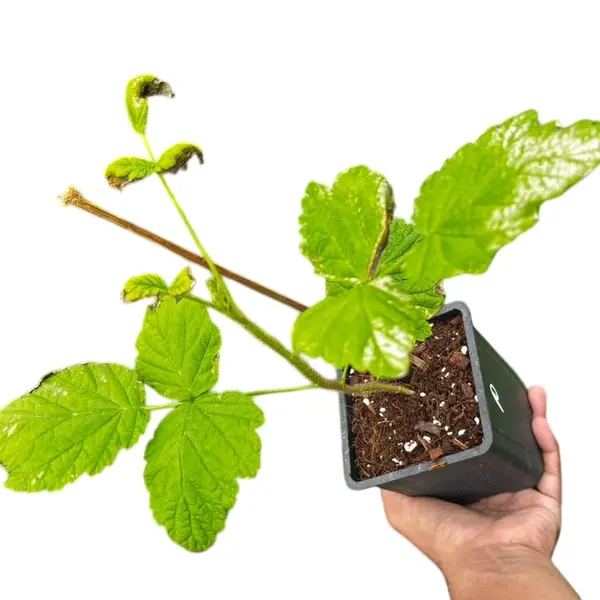 Raspberry Plant
 C. Black and Purple Raspberries
These types also fruit on floricanes (second-year wood) but require a special summer tipping to encourage side branching.| Pruning Time | Action | Why? |
| Early Summer (when new canes are 24−30 inches tall) | Pinch or cut the tips of the new primocanes. | This forces the cane to develop strong, lateral (side) branches, which increases the number of fruiting sites for the next year. |
| Late Winter/Early Spring | Thin canes to 4−6 of the strongest ones per plant. Shorten the side branches (laterals) to 12−18 inches. | This manages the size and focuses the plant's energy on fewer, higher-quality berries. |
| Immediately after harvest (mid-summer) | Cut the spent floricanes (the ones that just fruited) down to the ground. | Same as with summer-bearing red raspberries. |
Customer Reviews for Jiffy Plants
S
I received all the plants that I ordered in excellent condition. The packaging was perfect and the plants arrived as if I brought them from a nursery personally.
S
All the plants i recieved were in a very good condition and a recieved them wothin 2 days and the price was also good
C
Received the plants in very good condition, thank you so much.
N
Excellent service and products.
S
Had ordered ten plants in coco peat seeding capsules. It was delivered well packed and all the plants were healthy. Foliage.in platform friends were quick and very helpful with my queries. Appreciate the quality of plants and HR
J
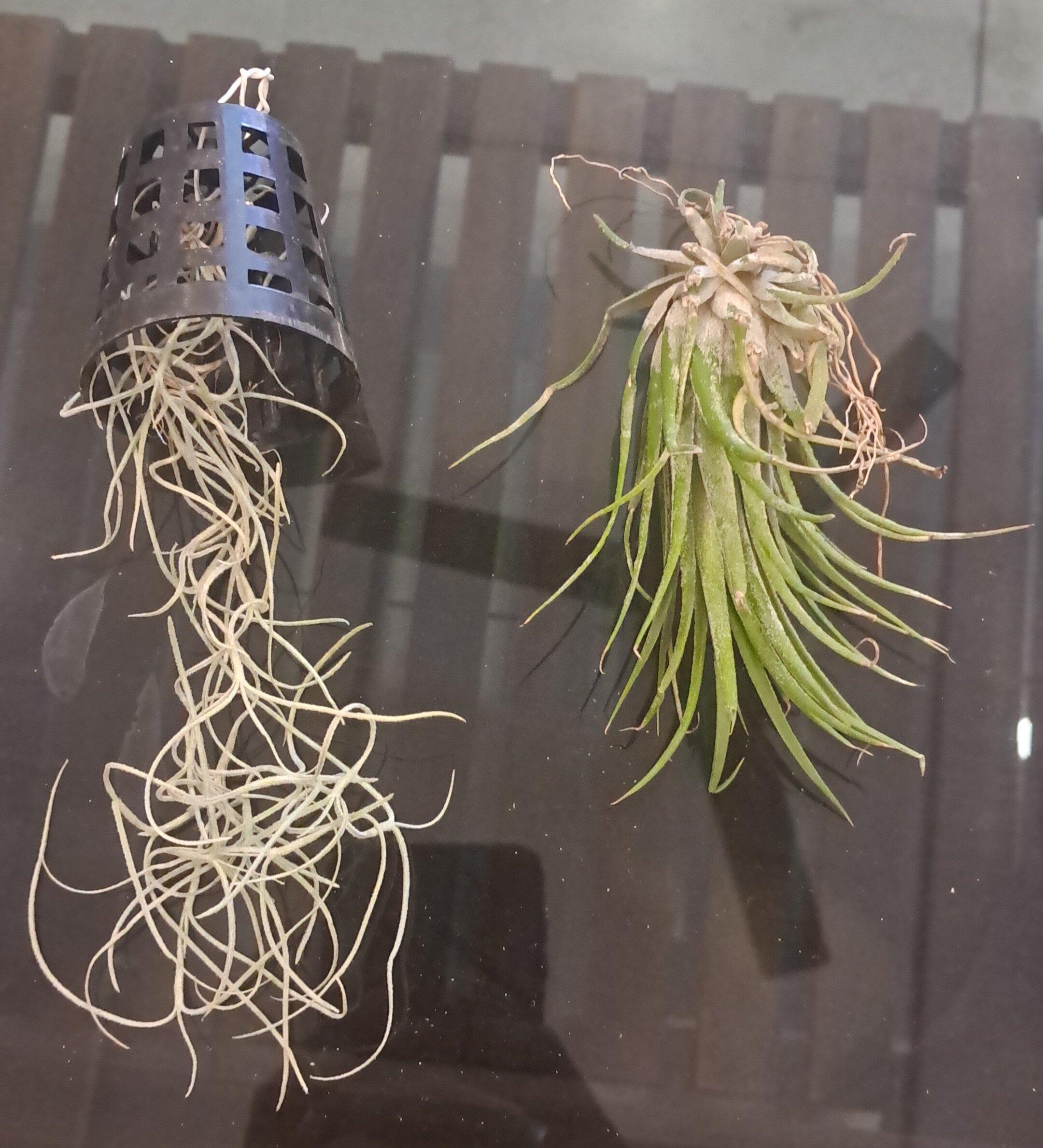
I bought Spanish moss and Tillandsia from Jiffy Plants and both came in good condition with good packing.
R
Plants are very healthy. Good packing too.
T
Excellent service and good product. Plant arrived healthy, well-packaged, and already budding. Very happy with my purchase


