Dive into the lush world of
Philodendron hybrids, celebrated for their dramatic foliage and resilient nature. These captivating plants, often originating from the verdant rainforests of Central and South America, bring an unparalleled touch of the tropics into your home. Their diverse leaf shapes, from heart-shaped to elongated and arrow-like, boast a spectrum of greens, often with striking venation or contrasting undersides, making each a living piece of art.
🌟 Overview
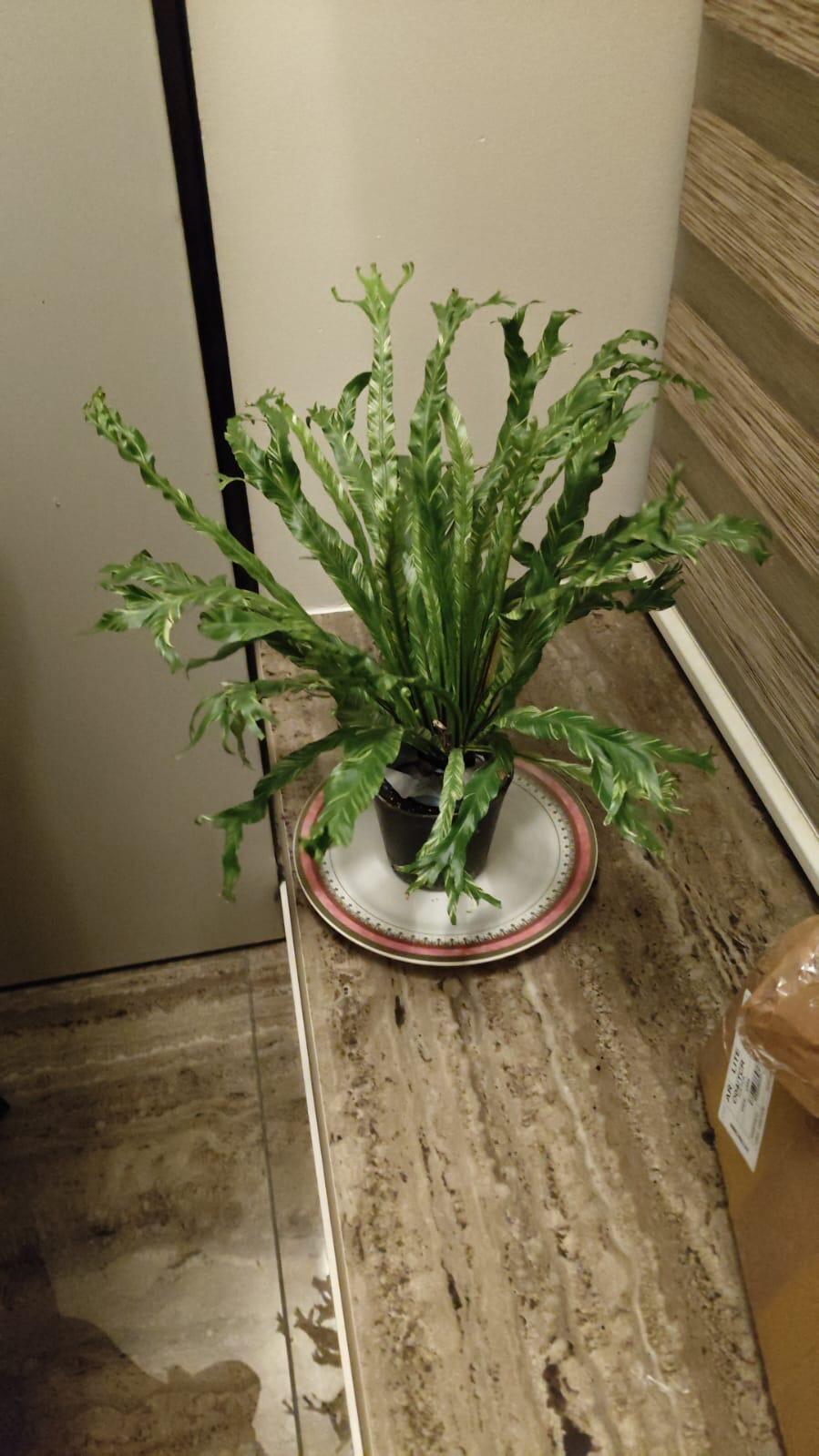
The Subhastatum, a robust and visually striking tropical houseplant, features distinct, elongated leaves often with a subtle hastate (arrowhead) shape, lending it a unique architectural appeal. Its deep green foliage creates a lush, vibrant focal point in any indoor setting, thriving with minimal fuss while offering continuous beauty. Ideal for both novice and experienced plant enthusiasts.
☀️ Light Requirements
- Prefers bright, indirect light.
- Avoid direct sunlight, which can scorch its leaves.
- Can tolerate medium light conditions but growth may slow.
💧 Water Requirements
- Water thoroughly when the top 1-2 inches of soil feel dry to the touch.
- Allow excess water to drain completely; do not let the plant sit in standing water.
- Reduce watering frequency in winter months.
📏 Size & Growth
- Can reach heights of 2-3 feet indoors, with a spread of 1-2 feet.
- Moderate growth rate, producing new leaves regularly under optimal conditions.
- Can be encouraged to climb with a moss pole or stake for larger foliage.
🌍 Origin & Characteristics
- This 'Houseplant hybrid' likely derives from tropical regions, inheriting the resilience and aesthetic diversity of its parent plants.
- Known for its striking foliage, often displaying a unique arrowhead or hastate leaf form.
- A perfect choice for adding a touch of jungle elegance to urban environments.
📇 Toxicity & Safety Warning
-
Warning: Like many plants in the Araceae family (which Philodendron belongs to), the Subhastatum contains calcium oxalate crystals, which can be irritating.
- Keep out of reach of pets and children to prevent accidental ingestion.
- Ingestion may cause oral irritation, pain, and swelling.
❓ FAQ: Why are my Subhastatum's leaves turning yellow?
Yellowing leaves can often indicate overwatering. Ensure the soil dries out between waterings and that your pot has good drainage. It could also be a sign of insufficient light or nutrient deficiency.
❓ FAQ: How often should I fertilize my Subhastatum?
Fertilize your Subhastatum every 2-4 weeks during the growing season (spring and summer) with a balanced liquid houseplant fertilizer diluted to half strength. Reduce or stop fertilizing in fall and winter.
❓ FAQ: Is the Subhastatum a climbing plant?
While some Philodendron varieties are natural climbers, many hybrids can exhibit either vining or upright growth. The Subhastatum can be grown as a bushy upright plant or trained to climb a moss pole for more vigorous, larger leaf development, mimicking its natural habitat.