

Cart
0


*Images are for reference only
×



Share this product
4.9
★
★
★
★
☆
Based on 8 reviews
We deliver within 7–10 working days.
Vendor: Jiffy Plants
Couldn't load pickup availability
100% Live & Healthy Plant
Secure payment
Healthy Roots Guarantee 🌱
Guarantee safe checkout


Yellow Croton - Codiaeum variegatum Yellow
Rs. 175.00

Selling Size : Single Plant | Pot Included |Secure Packing
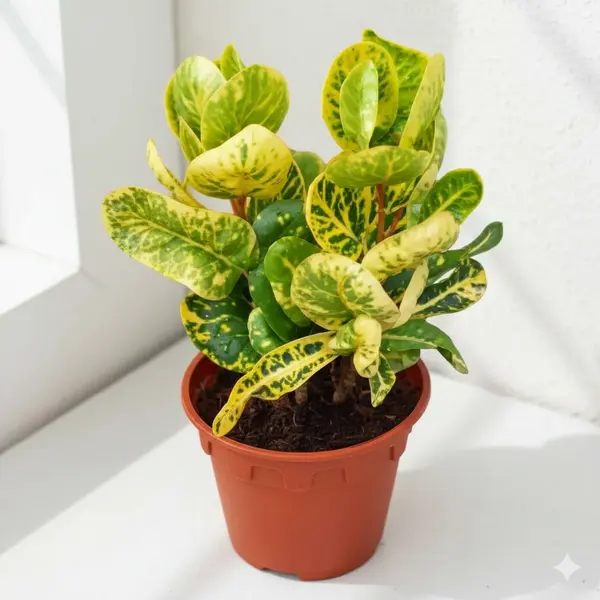
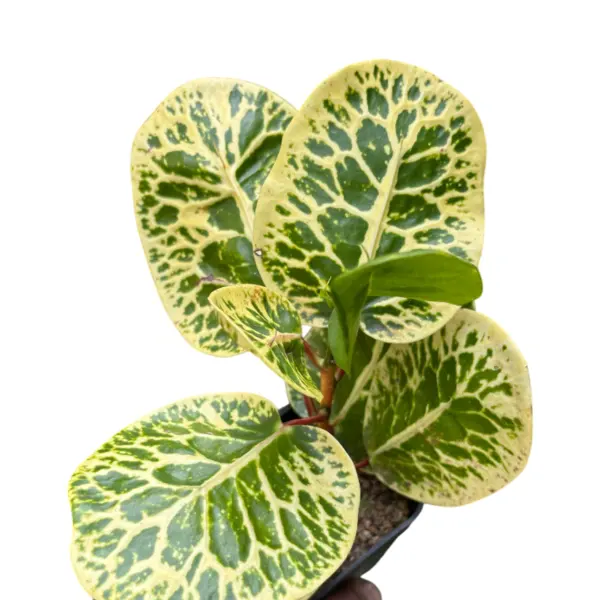
The term Yellow Croton - Codiaeum variegatum Yellow can refer to a few different cultivars, but the care instructions are largely the same. Often, the plant is a variety of Codiaeum variegatum, such as 'Gold Dust' or 'Eleanor Roosevelt', which are known for their striking yellow and green foliage.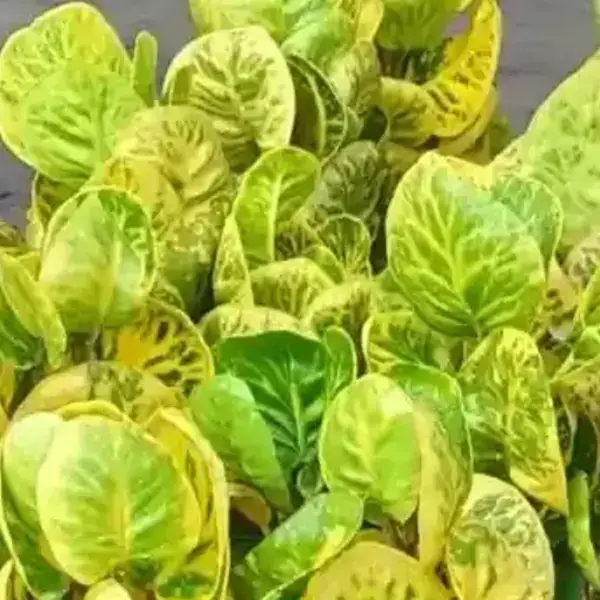 Yellow Croton - Codiaeum variegatum Yellow
 Here's a comprehensive guide to caring for your Yellow Croton - Codiaeum variegatum Yellow:
Light
- Bright, indirect light is a must. This is the most important factor for maintaining the plant's vibrant yellow coloration. Without enough light, the leaves will revert to a less colorful green.
- Avoid direct, harsh sun. While they love bright light, intense, unfiltered sunlight can burn the leaves and cause them to look faded or scorched. A good spot is a few feet away from a south-facing window, or in an east-facing window where it gets morning sun.
- Rotate your plant regularly to ensure all sides receive adequate light for even growth.
 Yellow Croton - Codiaeum variegatum Yellow
 Water
- Keep the soil consistently moist, but not soggy. Crotons are tropical plants that don't like to dry out completely.
- Water when the top inch (about 2.5 cm) of the soil feels dry to the touch.
- Ensure the pot has good drainage. Overwatering is a common problem that leads to root rot and leaf drop. Empty any excess water from the saucer after watering.
- Adjust your watering schedule with the seasons. The plant will need more water in the summer (growing season) and less in the winter.
Humidity
- High humidity is crucial for a healthy croton. They are native to humid climates.
-
If your indoor air is dry, you can increase humidity by:
- Misting the leaves regularly.
- Using a room humidifier.
- Placing the plant on a tray of pebbles filled with water.
- Grouping it with other plants.
Soil and Fertilizer
- Use a well-draining, fertile potting mix. A standard mix with good aeration, such as one with perlite or peat moss, is ideal.
- Fertilize during the spring and summer. Use a balanced, water-soluble fertilizer, diluted to half-strength, once a month.
- Do not fertilize in the fall and winter, as the plant's growth slows down.
Temperature
- Crotons are sensitive to cold. They thrive in warm conditions, with an ideal temperature range of 60-85°F (15-29°C).
- Protect the plant from cold drafts. Avoid placing it near air conditioning vents, cold windows, or doors that open frequently. Sudden temperature drops are a common cause of leaf drop.
Common Problems
- Leaf drop: This is the most common symptom of stress. It can be caused by a sudden change in its environment, too much or too little water, or cold drafts. Don't panic if your plant loses some leaves after you bring it home; it's a normal adjustment.
- Fading color: This is almost always a sign that the plant is not getting enough light.
- Pests: Crotons can be susceptible to spider mites, mealybugs, and scale insects. Regularly wiping the leaves with a damp cloth can help prevent infestations.
 Yellow Croton - Codiaeum variegatum Yellow
 Toxicity
Like all crotons, the yellow varieties contain a milky sap that can be a skin irritant. It is also toxic if ingested, so keep the plant away from pets and children.Customer Reviews for Jiffy Plants
S
I received all the plants that I ordered in excellent condition. The packaging was perfect and the plants arrived as if I brought them from a nursery personally.
S
All the plants i recieved were in a very good condition and a recieved them wothin 2 days and the price was also good
C
Received the plants in very good condition, thank you so much.
N
Excellent service and products.
S
Had ordered ten plants in coco peat seeding capsules. It was delivered well packed and all the plants were healthy. Foliage.in platform friends were quick and very helpful with my queries. Appreciate the quality of plants and HR
J
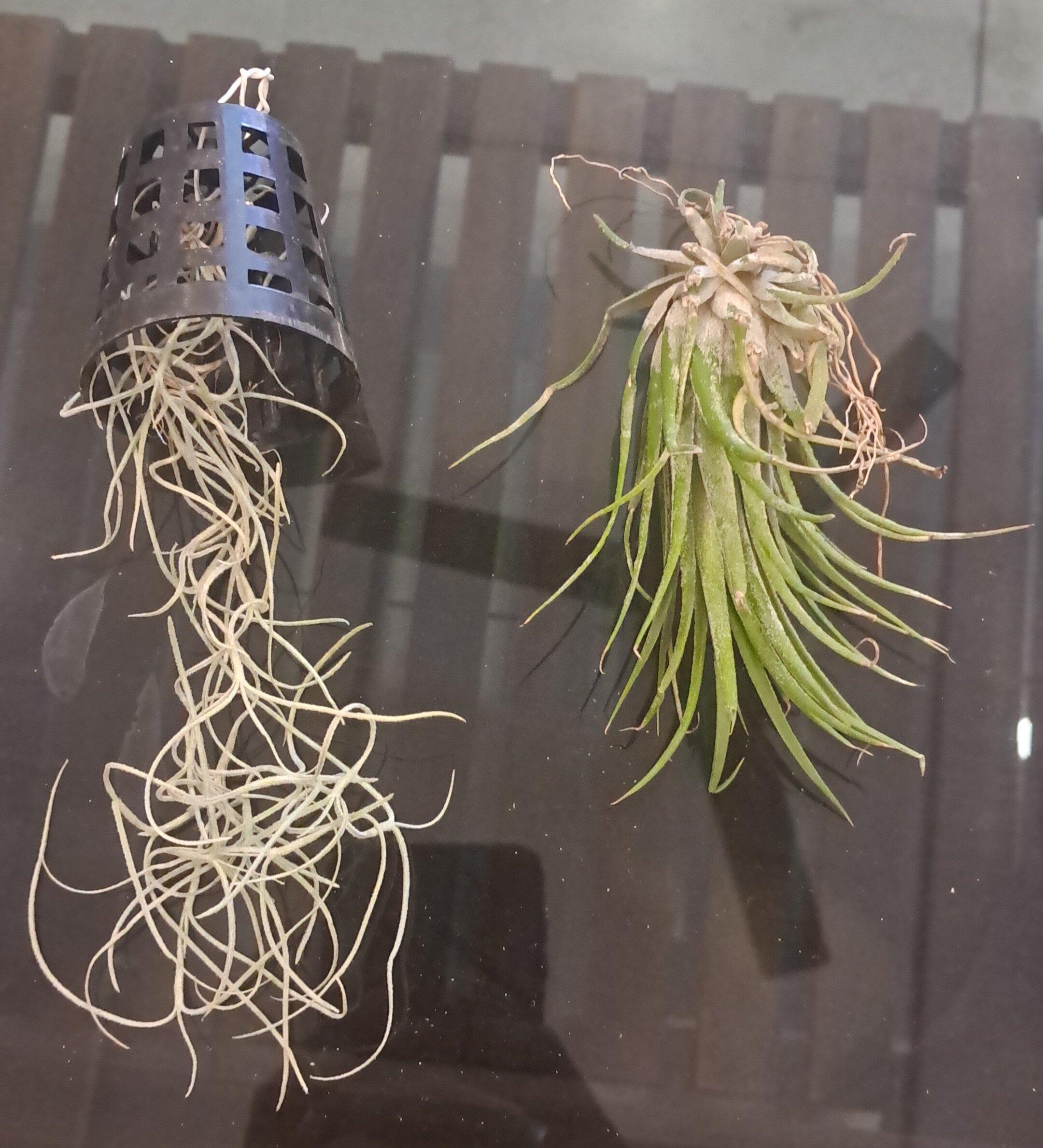
I bought Spanish moss and Tillandsia from Jiffy Plants and both came in good condition with good packing.
R
Plants are very healthy. Good packing too.
T
Excellent service and good product. Plant arrived healthy, well-packaged, and already budding. Very happy with my purchase


