

Cart
0
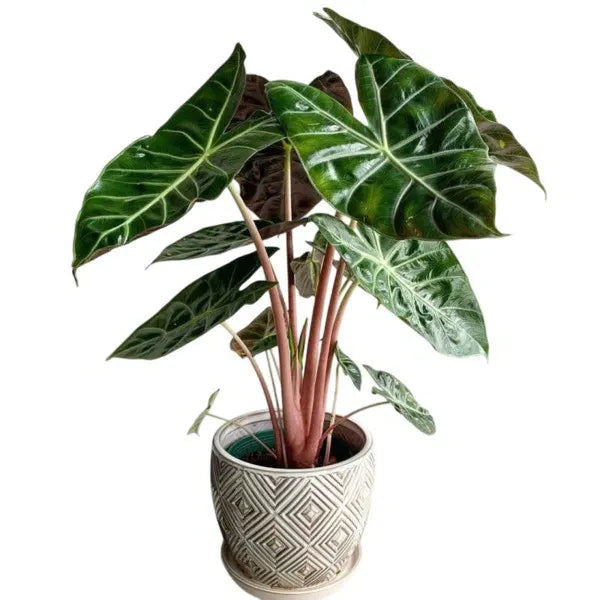
The Ultimate Guide to Alocasia Plants in India
Alocasia plants, commonly known as Elephant Ear plants, are dramatic tropical beauties that make stunning statement pieces in Indian homes and gardens. With their large, arrow-shaped leaves and bold presence, alocasias are perfect for plant lovers who want to add tropical drama to their space. This comprehensive guide covers everything you need to know about growing alocasia plants in India.
Why Alocasias Thrive in India
Native to tropical and subtropical Asia, alocasias are perfectly suited to India's climate. They love warmth, humidity, and bright indirect light - all of which India provides naturally. Many alocasia species actually originate from regions with climates similar to India, making them ideal tropical plants for Indian gardeners.
Popular Alocasia Varieties in India
Alocasia Amazonica (Polly)
The most popular alocasia in India. Features dark green leaves with prominent white veins and wavy edges. Compact size makes it perfect for Indian apartments and homes.
Alocasia Zebrina
Named for its striking zebra-striped stems. Large, arrow-shaped green leaves on dramatic black and white striped petioles. A showstopper in any Indian plant collection.
Alocasia Macrorrhiza (Giant Taro)
Massive elephant ear leaves that can grow several feet long. Perfect for outdoor gardens in India. Can tolerate more sun than other varieties.
Alocasia Black Velvet
Compact variety with small, velvety black leaves and silver veins. Unique and highly sought after by collectors in India.
Alocasia Dragon Scale
Thick, textured leaves that resemble dragon scales. Silver-green coloring with prominent veining. Rare and prized in India.
Alocasia Frydek (Green Velvet)
Velvety green leaves with bright white veins. Similar to Polly but with softer texture. Popular among Indian collectors.
Alocasia Cuprea (Red Secret)
Metallic copper-red undersides with green tops. Unique coloring makes it stand out. Thrives in India's humidity.
Alocasia Longiloba
Long, narrow leaves with deep lobes. Elegant and architectural. Grows well in Indian conditions.
Alocasia Odora
Large, upright leaves with pleasant fragrance. Hardy variety that tolerates various conditions in India.
Alocasia Portodora
Hybrid with large, upright leaves. More compact than Macrorrhiza. Perfect for Indian gardens.
How to Care for Alocasia Plants in India
Light Requirements
Alocasias need bright, indirect light for best growth:
- Bright, filtered light - Ideal for most varieties
- East or north-facing windows in India
- Avoid direct afternoon sun - Can scorch leaves
- Some varieties (like Macrorrhiza) tolerate more sun
- Insufficient light causes slow growth and small leaves
Watering Alocasias
Alocasias prefer consistently moist soil during growing season. In India:
- Summer: Water 2-3 times per week, keep soil moist
- Monsoon: Reduce watering, let top inch dry between waterings
- Winter: Water once per week, allow slight drying
- Never let soil become waterlogged
- Use room temperature water
- Reduce watering if plant goes dormant in winter
Humidity for Alocasias
Alocasias LOVE high humidity (70-80%). India's climate is perfect:
- Natural humidity during monsoon is ideal
- During dry seasons, mist daily
- Use humidifiers for rare varieties
- Place on pebble trays with water
- Group plants together
- High humidity prevents brown edges and crispy leaves
Temperature
Alocasias thrive in 18-30°C, perfect for India. Important notes:
- Protect from cold drafts in winter (northern regions)
- Some varieties go dormant below 15°C
- Keep away from air conditioning vents
- Stable temperatures promote best growth
Soil Mix for Alocasias
Alocasias need well-draining, nutrient-rich soil:
- 40% peat moss or coco peat
- 30% perlite or pumice
- 20% orchid bark
- 10% vermicompost
Good drainage is crucial to prevent root rot in India's humid climate.
Fertilizing Alocasias
Alocasias are heavy feeders during growing season:
- Feed every 2 weeks during active growth (March-October)
- Use balanced liquid fertilizer (20-20-20)
- Use half to full strength
- Reduce feeding during monsoon
- Stop feeding if plant goes dormant in winter
- Well-fed alocasias produce larger, more dramatic leaves
Repotting Alocasias
Repot alocasias annually for best growth:
- Best time: Spring (March-April in India)
- Choose pot 2 inches larger
- Use fresh, well-draining potting mix
- Handle rhizomes carefully
- Water well after repotting
Understanding Alocasia Dormancy
Some alocasias go dormant in winter, especially in northern India:
- Leaves may yellow and die back
- This is natural - the plant is resting
- Reduce watering significantly
- Stop fertilizing
- Keep rhizome barely moist
- New growth emerges in spring
- Not all varieties go dormant in India's climate
Propagating Alocasias in India
Division Method
- Remove plant from pot during repotting
- Locate baby plants (offsets) growing from main rhizome
- Gently separate with roots attached
- Plant each division in fresh mix
- Keep warm and humid - India's climate is perfect
- New growth appears in 2-4 weeks
Rhizome Division
- Divide rhizome ensuring each piece has growth point
- Let cut surfaces dry for few hours
- Plant in moist potting mix
- Keep warm and humid
- New shoots emerge in 3-6 weeks in India
Common Problems with Alocasias in India
Yellow Leaves
Causes: Overwatering, natural dormancy, or aging. Solution: Adjust watering, allow dormancy if seasonal, remove old leaves.
Brown Leaf Edges
Causes: Low humidity, underwatering, or fertilizer burn. Solution: Increase humidity (most common cause in India), water consistently, reduce fertilizer.
Drooping Leaves
Causes: Underwatering or overwatering. Solution: Check soil moisture, adjust watering schedule.
Small Leaves
Causes: Insufficient light, nutrients, or water. Solution: Move to brighter location, fertilize regularly, ensure adequate watering.
No New Growth
Causes: Dormancy, insufficient light, or root-bound. Solution: Wait for dormancy to end, provide more light, repot if needed.
Pests
Common alocasia pests in India:
- Spider mites - Increase humidity, spray with neem oil
- Mealybugs - Remove with alcohol, treat with neem oil
- Aphids - Spray with soapy water
- Thrips - Treat with neem oil or insecticidal soap
Root Rot
Common in India's humidity with overwatering. Signs: Yellow leaves, mushy stems, foul smell. Solution: Remove from soil, cut rotted roots, repot in fresh mix, reduce watering.
Fungal Issues
India's humidity can cause fungal problems:
- Improve air circulation
- Avoid wetting leaves when watering
- Remove affected leaves
- Treat with fungicide if severe
Best Alocasias for Indian Homes
For Beginners
- Alocasia Amazonica (Polly) - Most forgiving, readily available
- Alocasia Odora - Hardy, tolerates various conditions
For Small Spaces
- Alocasia Black Velvet - Compact, unique
- Alocasia Amazonica - Medium-sized, manageable
For Large Spaces/Gardens
- Alocasia Macrorrhiza - Massive, dramatic
- Alocasia Portodora - Large but more compact
For Collectors
- Alocasia Dragon Scale - Rare, textured
- Alocasia Cuprea - Unique coloring
- Alocasia Black Velvet - Velvety, compact
For High Humidity Areas
- All varieties - Alocasias love India's monsoon humidity
- Rare varieties especially appreciate it
Alocasia vs Colocasia
Often confused, here are the differences:
- Alocasia - Leaves point upward, prominent veining, more ornamental
- Colocasia - Leaves point downward, edible tubers, hardier
Both are called Elephant Ears and thrive in India!
Where to Buy Alocasia Plants in India
When buying alocasias online in India:
- Look for healthy plants with vibrant leaves
- Check for pests and diseases
- Ensure proper packaging for safe delivery
- Buy rare varieties from reputable sellers
- Verify variety authenticity for rare types
- Check rhizome health for dormant plants
Alocasia Toxicity
Important: Alocasias are toxic to pets and humans if ingested. They contain calcium oxalate crystals that cause severe mouth irritation, drooling, difficulty swallowing, and digestive issues. Keep away from children and pets. Sap can irritate skin - wear gloves when handling.
Conclusion
Alocasia plants are perfect for Indian homes and gardens, thriving in our tropical climate and adding dramatic, architectural beauty to any space. From compact varieties like Alocasia Black Velvet to massive specimens like Alocasia Macrorrhiza, there's an alocasia for every plant lover. With India's ideal humidity and warmth, your alocasias will reward you with stunning, large leaves that make a bold tropical statement. Whether you're a beginner starting with Alocasia Polly or a collector seeking rare varieties, alocasias will bring exotic elegance to your plant collection. Start your alocasia collection today!
Keywords: alocasia plants India, alocasia care India, elephant ear plants India, buy alocasia online India, alocasia varieties, alocasia amazonica India, alocasia polly, indoor alocasia plants, tropical alocasia India, rare alocasia India


