

Cart
0
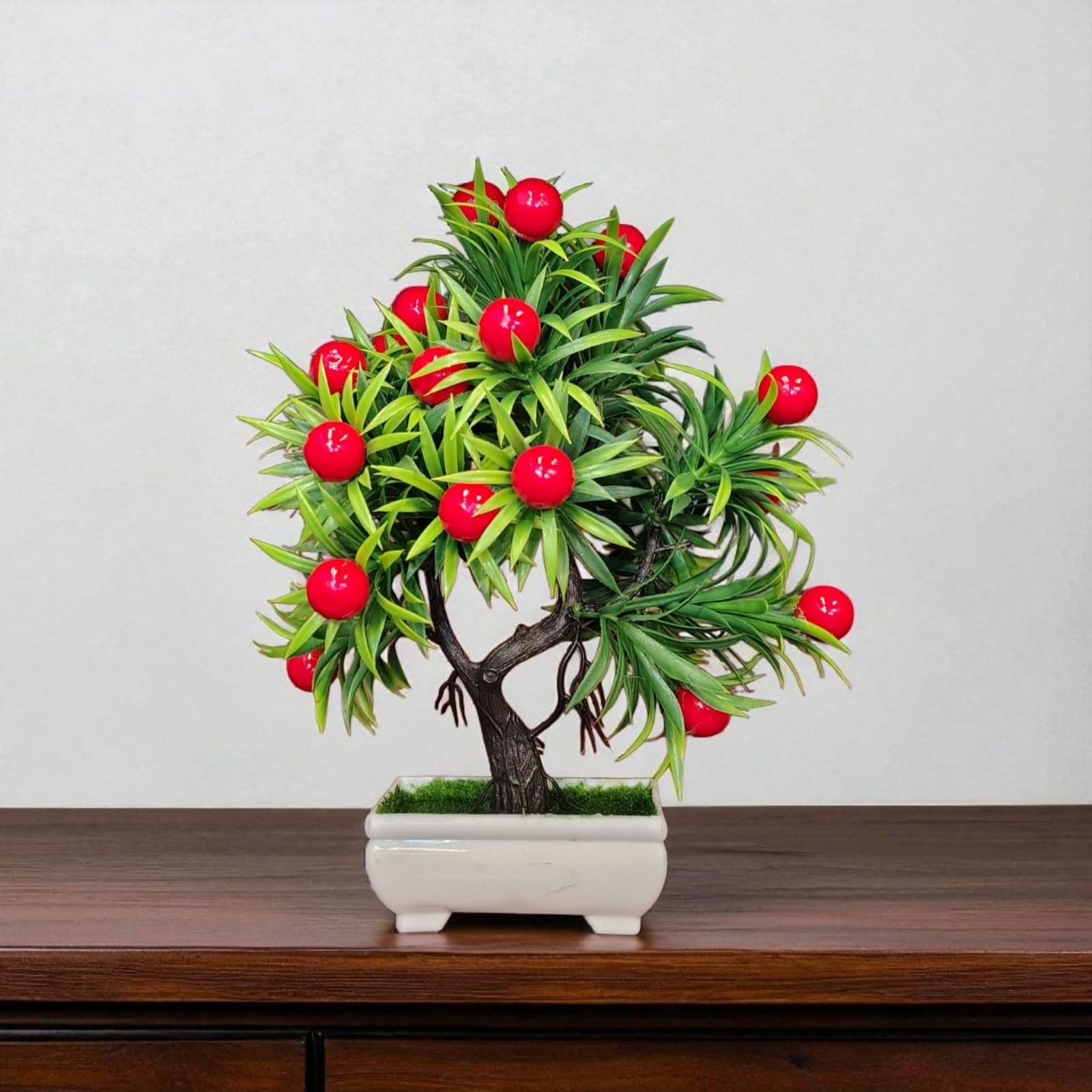
The Ultimate Guide to Bonsai Plants in India
Bonsai is the ancient Japanese art of growing miniature trees in containers, and it's becoming increasingly popular in India. These living sculptures combine horticulture and art, creating stunning focal points for Indian homes and gardens. This comprehensive guide covers everything you need to know about growing bonsai plants in India.
What is Bonsai?
Bonsai (盆栽) literally means "planted in a container" in Japanese. It's the art of growing trees in miniature form while maintaining their natural appearance. Bonsai trees are not genetically dwarfed - they're regular trees kept small through pruning, wiring, and careful cultivation techniques.
Why Bonsai Thrives in India
India's climate is excellent for many bonsai species, especially tropical and subtropical varieties. Our warm temperatures, monsoon rains, and bright sunlight provide ideal conditions. India also has a rich tradition of bonsai cultivation, with active bonsai societies in major cities.
Popular Bonsai Trees for India
Ficus (Fig Trees) - Best for Indian Beginners
The most popular bonsai for India. Extremely forgiving and fast-growing. Varieties include:
- Ficus Benjamina (Weeping Fig) - Classic bonsai, small leaves, aerial roots
- Ficus Microcarpa (Chinese Banyan) - Thick trunk, beautiful aerial roots
- Ficus Religiosa (Peepal) - Sacred tree, heart-shaped leaves
- Ficus Retusa - Small leaves, develops thick trunk quickly
Ficus bonsai thrive in India's climate, tolerate pruning well, and develop character quickly.
Jade Plant (Crassula ovata)
Succulent bonsai perfect for Indian climate. Thick trunk develops naturally. Extremely low maintenance. Tolerates heat and drought. Good luck plant in Indian culture.
Bougainvillea
Flowering bonsai that thrives in India. Spectacular colorful bracts. Loves heat and sun. Blooms profusely in Indian climate. Creates stunning displays.
Adenium (Desert Rose)
Succulent bonsai with thick caudex (swollen trunk). Beautiful flowers. Perfect for hot, dry regions of India. Low water requirements.
Carmona (Fukien Tea)
Small leaves, white flowers, red berries. Popular indoor bonsai in India. Needs consistent care but rewarding.
Portulacaria afra (Elephant Bush)
Succulent bonsai, looks like miniature jade. Easy to grow in India. Fast-growing, forgiving.
Indian Native Trees for Bonsai
- Neem (Azadirachta indica) - Sacred tree, medicinal properties
- Tamarind (Tamarindus indica) - Delicate foliage, edible fruits
- Jamun (Syzygium cumini) - Beautiful bark, edible fruits
- Curry Leaf (Murraya koenigii) - Aromatic leaves, useful in cooking
- Banyan (Ficus benghalensis) - National tree, aerial roots
Juniper
Classic bonsai tree. Grows better in cooler regions of India (hill stations, northern areas). Needs winter dormancy.
Pine
Traditional bonsai. Best in cooler Indian regions. Needs cold winter period. Challenging but rewarding.
Bonsai Styles
Formal Upright (Chokkan)
Straight trunk, branches arranged symmetrically. Classic, elegant style.
Informal Upright (Moyogi)
Trunk curves gently. Most natural-looking style. Popular in India.
Slanting (Shakan)
Trunk grows at angle. Suggests wind-swept tree. Dynamic appearance.
Cascade (Kengai)
Trunk cascades below pot rim. Dramatic style. Represents tree on cliff.
Semi-Cascade (Han-Kengai)
Trunk extends horizontally then drops. Less dramatic than full cascade.
Broom (Hokidachi)
Branches spread like broom. Beautiful winter silhouette. Good for deciduous trees.
Forest (Yose-ue)
Multiple trees in one pot. Creates miniature forest. Popular in India.
Root-Over-Rock (Sekijoju)
Roots grow over and around rock. Dramatic, natural appearance. Ficus excellent for this in India.
How to Care for Bonsai in India
Location and Light
Most bonsai need bright light:
- Outdoor bonsai: Need full sun to partial shade (Ficus, Bougainvillea, Jade)
- Indoor bonsai: Bright, indirect light near windows (Carmona, some Ficus)
- In India: Morning sun ideal, afternoon shade during hottest months
- Rotate: Turn pot regularly for even growth
- Seasonal: Adjust location based on India's seasons
Watering Bonsai
Critical aspect of bonsai care:
- Check daily: Bonsai in small pots dry out quickly, especially in India's heat
- Water when: Top layer of soil feels slightly dry
- Method: Water thoroughly until water drains from bottom
- Summer in India: May need watering 2-3 times daily in extreme heat
- Monsoon: Reduce watering, protect from excessive rain
- Winter: Reduce watering frequency
- Never: Let bonsai completely dry out - can be fatal
- Water quality: Rainwater ideal, let tap water sit overnight
Soil for Bonsai
Bonsai need special well-draining soil:
- Components: Akadama (Japanese clay), pumice, lava rock, organic compost
- In India: River sand, brick chips, cocopeat, perlite work well
- Ratio: 60% inorganic (sand, pumice, brick chips), 40% organic (cocopeat, compost)
- Purpose: Fast drainage, good aeration, water retention
- Never: Use regular garden soil - too dense
Fertilizing Bonsai
Regular feeding essential for health:
- Frequency: Every 2 weeks during growing season (March-October in India)
- Type: Balanced liquid fertilizer (NPK 10-10-10) or organic fertilizer
- Strength: Half-strength to avoid burning
- Reduce: During monsoon and winter
- Organic options: Vermicompost, bone meal, neem cake (readily available in India)
Pruning - Essential Bonsai Technique
Maintenance Pruning
- Remove dead, damaged, or crossing branches
- Trim new growth to maintain shape
- Pinch back shoots to encourage branching
- Best time in India: After monsoon (September-October)
Structural Pruning
- Major shaping of tree structure
- Remove large branches
- Create basic bonsai form
- Best time: Late winter/early spring in India
Root Pruning
- Done during repotting
- Trim 1/3 of root mass
- Encourages fine feeder roots
- Essential for keeping tree small
Wiring Bonsai
Technique to shape branches and trunk:
- Purpose: Bend and position branches
- Wire type: Aluminum or copper wire
- Technique: Wrap wire at 45-degree angle around branch
- Duration: Leave 2-6 months, remove before wire cuts into bark
- In India: Fast-growing trees need wire removal sooner
- Caution: Don't wire too tightly - damages bark
Repotting Bonsai
Essential for bonsai health:
- Frequency: Young trees every 1-2 years, mature trees every 3-5 years
- Best time in India: Late winter/early spring (February-March)
- Process: Remove from pot, trim roots, repot in fresh soil
- Pot size: Same size or slightly larger
- After repotting: Keep in shade for 2 weeks, water carefully
Starting Your Bonsai Journey in India
Option 1: Buy Pre-Bonsai or Starter Bonsai
Easiest for beginners in India. Buy partially trained tree from nursery or online. Continue training and refinement.
Option 2: Start from Nursery Stock
- Buy small tree from regular nursery in India
- Look for interesting trunk, good nebari (surface roots)
- Prune and wire to create bonsai form
- Repot in bonsai pot
- More affordable than buying finished bonsai
Option 3: Grow from Seed or Cutting
Most time-consuming but rewarding:
- Ficus cuttings root easily in India's climate
- Grow seeds of Indian native trees
- Takes years to develop but complete control
- Great learning experience
Option 4: Collect from Nature (Yamadori)
Collect small trees from nature (with permission):
- Look for interesting shapes in wild
- Best time in India: Before monsoon
- Requires experience and care
- Can create instant character
Common Bonsai Problems in India
Leaf Drop
Causes: Underwatering, overwatering, temperature shock, pests.
Solution: Check soil moisture, adjust watering, inspect for pests, maintain stable conditions.
Yellow Leaves
Causes: Overwatering, nutrient deficiency, natural aging.
Solution: Adjust watering, fertilize regularly, remove old leaves.
Leggy Growth
Causes: Insufficient light, over-fertilizing.
Solution: Move to brighter location, reduce fertilizer, prune back.
Pests
Common bonsai pests in India:
- Aphids: Spray with soapy water or neem oil
- Scale: Scrape off, treat with neem oil
- Spider mites: Increase humidity, spray with neem oil
- Caterpillars: Remove manually, use organic pesticides
Fungal Issues
Common during India's monsoon:
- Improve air circulation
- Reduce watering
- Remove affected leaves
- Apply fungicide if severe
Bonsai Tools
Essential Tools for Indian Bonsai Enthusiasts
- Concave cutters: For clean branch removal
- Wire cutters: For removing training wire
- Scissors: For trimming leaves and fine branches
- Root rake: For untangling roots during repotting
- Wire: Aluminum or copper for shaping
- Watering can: With fine rose for gentle watering
Available online and in bonsai specialty stores in Indian cities.
Bonsai Pots
Choosing the right pot:
- Size: Pot depth = trunk diameter; length = 2/3 tree height
- Shape: Rectangular for masculine trees, oval for feminine, round for cascades
- Color: Unglazed for conifers, glazed for flowering/fruiting trees
- Drainage: Must have drainage holes
- In India: Terracotta works well, ceramic pots available in major cities
Best Bonsai for Different Indian Regions
For Hot, Dry Regions (Rajasthan, Gujarat)
- Jade Plant - Extremely drought tolerant
- Adenium - Loves heat and dry conditions
- Bougainvillea - Thrives in heat
For Humid, Tropical Regions (South India, Coastal)
- Ficus varieties - Love humidity and warmth
- Carmona - Thrives in tropical conditions
For Moderate Climate (Central India)
- All varieties grow well
- Ficus - Most adaptable
- Indian native trees - Well-suited
For Cooler Regions (Hill Stations, Northern India)
- Juniper - Needs cool winters
- Pine - Requires cold dormancy
- Deciduous trees - Need winter rest
Bonsai Societies and Resources in India
Join bonsai communities in India:
- Bonsai Society of India
- Local bonsai clubs in Delhi, Mumbai, Bangalore, Pune, Chennai
- Annual bonsai exhibitions in major Indian cities
- Online forums and Facebook groups for Indian bonsai enthusiasts
- Workshops and demonstrations by bonsai masters
Where to Buy Bonsai in India
When buying bonsai plants in India:
- Look for healthy foliage and good trunk taper
- Check for pests and diseases
- Inspect root system if possible
- Buy from reputable bonsai nurseries or specialists
- Online sellers available but inspect carefully upon delivery
- Bonsai exhibitions good place to buy quality trees
- Consider starting with pre-bonsai for better value
Bonsai Philosophy
Bonsai is more than gardening - it's a meditative practice:
- Patience - Trees develop over years and decades
- Observation - Learn to see and understand your tree
- Harmony - Create balance between tree and pot
- Respect - Honor the tree's natural character
- Continuous learning - Bonsai is lifelong journey
Conclusion
Bonsai is a rewarding art form perfectly suited to India's climate and culture. From beginner-friendly Ficus to challenging Junipers, from Indian native trees to exotic species, there's a bonsai for every enthusiast. India's warm climate, bright sunlight, and monsoon rains provide excellent conditions for tropical and subtropical bonsai. While bonsai requires patience, dedication, and regular care, the rewards are immense - living sculptures that improve with age, bringing nature's beauty into miniature form. Whether you're creating a single tree or building a collection, bonsai offers endless opportunities for creativity and connection with nature. Start your bonsai journey today and discover this ancient art form!
Keywords: bonsai plants India, bonsai tree India, bonsai care India, buy bonsai online India, bonsai for beginners, ficus bonsai India, bonsai techniques, indoor bonsai India, bonsai nursery India, miniature trees India


