

Cart
0
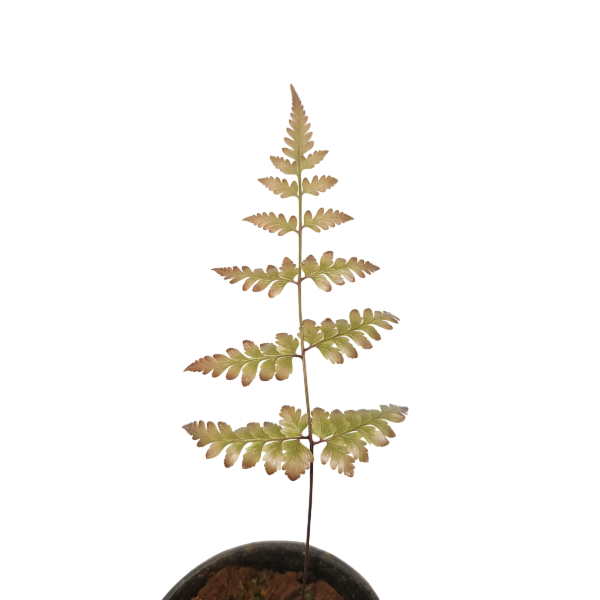
The Ultimate Guide to Fern Plants in India
Ferns are ancient, elegant plants that bring lush, green beauty to Indian homes and gardens. With their delicate fronds and love for humidity, ferns are perfectly suited to India's tropical climate. This comprehensive guide covers everything you need to know about growing fern plants in India.
Why Ferns Thrive in India
Ferns are among the oldest plants on Earth, and many species are native to tropical regions. India's warm temperatures, high humidity (especially during monsoon), and filtered light conditions are ideal for most fern varieties. They grow vigorously in our climate with proper care.
Rare Fern Varieties in India
Microsorum Siamensis (Blue Iridescent Fern) - Rare
The Blue Iridescent Fern is one of the most spectacular rare ferns available in India. This rare variety features stunning blue iridescent leaves that shimmer in low light, similar to Begonia Pavonina. The blue coloring is caused by unique cell structures that reflect blue wavelengths. This rare fern thrives in India's humid, shaded conditions and is highly sought after by collectors.
Platycerium Ridleyi (Ridley's Staghorn Fern) - Rare
Platycerium Ridleyi is a rare staghorn fern variety that's perfect for mounting on wood or bark. This rare tropical fern features distinctive antler-like fronds and thrives in India's humid climate. Excellent for creating dramatic wall displays in Indian homes.
Coniogramme Emeiensis (Golden Zebra Fern, Striped Bamboo Fern) - Rare
The Golden Zebra Fern is a rare variety featuring stunning golden striping on its fronds. Also known as the Striped Bamboo Fern, this rare fern adds unique color to shaded areas in Indian gardens and homes. The golden variegation is stable and becomes more pronounced with proper care.
Popular Fern Varieties in India
Boston Fern (Nephrolepis exaltata)
The most popular fern in India. Lush, cascading fronds perfect for hanging baskets. Easy to grow, loves India's humidity.
Maidenhair Fern (Adiantum)
Delicate, lacy fronds on black stems. Requires high humidity but stunning when happy. Popular in Indian bathrooms.
Bird's Nest Fern (Asplenium nidus)
Glossy, undivided fronds that grow in a rosette. Easy care, perfect for beginners in India.
Staghorn Fern (Platycerium bifurcatum)
Unique antler-shaped fronds. Epiphytic, grows mounted on wood. Dramatic display plant for Indian homes.
Rabbit's Foot Fern (Davallia fejeensis)
Fuzzy rhizomes that creep over pot edges. Delicate fronds, tolerates lower humidity than most ferns.
Asparagus Fern (Asparagus setaceus)
Not a true fern but looks like one. Feathery foliage, very easy to grow in India.
Kangaroo Paw Fern (Microsorum diversifolium)
Glossy, leathery fronds. Hardy and easy to grow in Indian conditions.
Blue Star Fern (Phlebodium aureum)
Blue-green fronds with fuzzy rhizomes. Unique color, relatively easy care in India.
Crocodile Fern (Microsorum musifolium)
Textured fronds resembling crocodile skin. Unique appearance, thrives in India's humidity.
Lemon Button Fern (Nephrolepis cordifolia 'Duffii')
Compact with small, round leaflets. Perfect for small spaces in Indian apartments.
How to Care for Ferns in India
Light Requirements
Most ferns prefer filtered, indirect light - never direct sun:
- Bright, indirect light - Ideal for most ferns
- Low to medium light - Tolerated by many varieties
- North or east-facing windows in India - Perfect
- Avoid direct sun - Causes leaf burn and browning
- Fluorescent lights work well for indoor ferns
- Outdoor ferns need shade or dappled sunlight
Watering Ferns
Ferns prefer consistently moist soil. In India:
- Summer: Water 2-3 times per week, keep soil moist
- Monsoon: Reduce watering, soil stays naturally moist
- Winter: 1-2 times per week
- Never let soil dry out completely
- Never let soil become waterlogged
- Use room temperature water
- Rainwater is ideal for ferns
Humidity for Ferns
Ferns LOVE high humidity (60-80%). India's climate is perfect:
- Monsoon season - Ideal natural humidity
- Dry seasons - Mist daily, use humidifiers
- Group ferns together to increase humidity
- Place on pebble trays with water
- Bathrooms with windows are perfect for ferns
- Low humidity causes brown, crispy fronds
Temperature
Most ferns thrive in 18-27°C, perfect for India. Important:
- Protect from extreme heat (above 32°C)
- Protect from cold drafts in winter (northern regions)
- Keep away from air conditioning vents
- Stable temperatures promote best growth
Soil for Ferns
Ferns need light, well-draining, moisture-retentive soil:
- 50% peat moss or coco peat
- 25% perlite
- 15% orchid bark or compost
- 10% vermicompost
Soil should stay moist but drain excess water.
Fertilizing Ferns
Ferns are light feeders:
- Feed every 4-6 weeks during growing season (March-October)
- Use balanced liquid fertilizer at quarter strength
- Ferns are sensitive to over-fertilizing
- Reduce feeding during monsoon and winter
- Organic fertilizers work well for ferns
Repotting Ferns
Repot ferns every 1-2 years:
- Best time: Spring (March-April in India)
- Choose pot 1-2 inches larger
- Use fresh, well-draining potting mix
- Handle roots gently
- Water well after repotting
Propagating Ferns in India
Division Method (Most Common)
- Remove fern from pot during repotting
- Gently separate into sections
- Each section should have roots and fronds
- Plant in fresh potting mix
- Keep warm, humid, and moist
- India's climate is perfect for rooting
- New growth appears in 3-6 weeks
Spore Propagation (Advanced)
- Collect spores from underside of mature fronds
- Sow on moist peat moss
- Cover with plastic to maintain humidity
- Keep in bright, indirect light
- Germination takes several weeks to months
- India's warmth helps germination
Rhizome Cuttings (For Creeping Ferns)
- Cut section of rhizome with fronds attached
- Plant in moist potting mix
- Keep humid and warm
- Roots establish in 2-4 weeks in India
Common Problems with Ferns in India
Brown, Crispy Fronds
Most common fern problem. Causes: Low humidity, underwatering, or direct sun. Solution: Increase humidity (most important), water consistently, move away from direct light.
Yellow Fronds
Causes: Overwatering, poor drainage, or natural aging. Solution: Reduce watering, improve drainage, remove old fronds.
Pale Fronds
Causes: Too much light or nutrient deficiency. Solution: Move to shadier location, fertilize lightly.
Brown Tips
Causes: Low humidity, tap water chemicals, or fertilizer burn. Solution: Increase humidity, use filtered/rainwater, reduce fertilizer.
No New Growth
Causes: Insufficient light, nutrients, or dormancy. Solution: Provide more light, fertilize, wait for growing season.
Pests
Common fern pests in India:
- Scale - Scrape off, treat with neem oil
- Mealybugs - Remove with alcohol, spray neem oil
- Aphids - Spray with soapy water
- Fungus gnats - Reduce watering, let soil dry slightly
Fungal Issues
Common in India's humidity:
- Improve air circulation
- Avoid wetting fronds when watering
- Remove affected fronds
- Treat with fungicide if severe
Best Ferns for Indian Homes
For Beginners
- Boston Fern - Most forgiving, readily available
- Bird's Nest Fern - Easy care, tolerant
- Asparagus Fern - Very easy, not fussy
For Low Light
- Bird's Nest Fern - Tolerates lower light
- Kangaroo Paw Fern - Adaptable
For Hanging Baskets
- Boston Fern - Classic cascading fronds
- Rabbit's Foot Fern - Trailing rhizomes
- Asparagus Fern - Feathery, trailing
For Collectors
- Microsorum Siamensis - Rare, iridescent blue
- Platycerium Ridleyi - Rare staghorn variety
- Coniogramme Emeiensis - Rare, golden striped
- Maidenhair Fern - Delicate, challenging
For Bathrooms
- All ferns - Love bathroom humidity
- Maidenhair Fern - Thrives in steamy bathrooms
- Boston Fern - Perfect for humid spaces
For Outdoor Gardens (Shade)
- Boston Fern - Hardy, lush
- Bird's Nest Fern - Tolerates outdoor conditions
- Staghorn Fern - Mounted on trees
Mounting Staghorn Ferns
Staghorn ferns are epiphytic and grow best mounted:
- Choose wood plank, cork bark, or tree trunk
- Wrap roots in sphagnum moss
- Secure to mount with fishing line or wire
- Hang in bright, indirect light
- Water by soaking or misting
- India's humidity helps mounted ferns thrive
Where to Buy Fern Plants in India
When buying ferns online in India:
- Look for healthy plants with vibrant green fronds
- Check for brown or crispy fronds (sign of stress)
- Ensure no pests
- Proper packaging crucial for delicate fronds
- Buy rare varieties from reputable sellers
- Verify authenticity for rare ferns like Blue Iridescent
Fern Toxicity
Most ferns are NON-TOXIC to pets and humans, making them safe for Indian families with pets. However, a few exceptions exist:
- Asparagus Fern - Mildly toxic, can cause skin irritation
- Most true ferns - Safe for pets and children
Always verify specific variety toxicity.
Conclusion
Fern plants are perfect for Indian homes and gardens, thriving in our humid climate and adding lush, green elegance to any space. From easy-care Boston Ferns to rare varieties like the iridescent Microsorum Siamensis and golden-striped Coniogramme Emeiensis, there's a fern for every plant lover. India's natural humidity during monsoon makes ferns easier to grow here than in many other countries. Whether you're growing them in hanging baskets, mounting staghorn ferns on walls, or creating a shaded fern garden, these ancient plants bring timeless beauty to your collection. Plus, most are pet-safe! Start your fern collection today and enjoy these graceful, prehistoric beauties!
Keywords: fern plants India, fern care India, boston fern India, buy ferns online India, fern varieties, indoor ferns India, staghorn fern India, rare ferns India, tropical ferns India, pet safe ferns


