

Cart
0
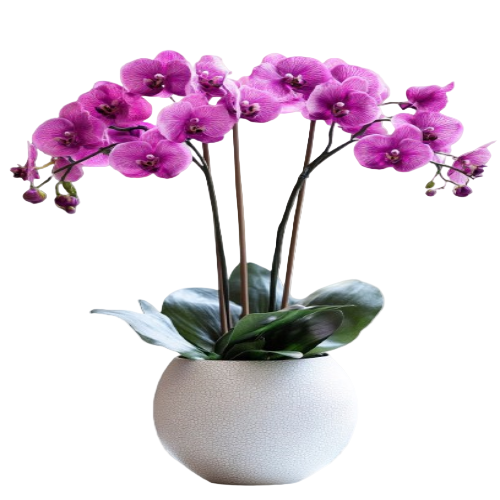
The Ultimate Guide to Orchid Plants in India
Orchids are exotic, elegant flowering plants that can thrive beautifully in India's climate. Often considered difficult, orchids are actually quite easy to grow once you understand their needs. This comprehensive guide covers everything you need to know about growing orchid plants in India.
Why Orchids Thrive in India
Many orchid species are native to tropical and subtropical Asia, making India's climate naturally suitable for orchid cultivation. Our warm temperatures, monsoon humidity, and bright light conditions are ideal for numerous orchid varieties. India has a rich tradition of orchid growing, especially in regions like Sikkim, Assam, and the Western Ghats.
Popular Orchid Varieties for India
Phalaenopsis (Moth Orchid)
The most popular orchid for Indian homes. Easy to grow, blooms last 2-3 months. Available in white, pink, purple, yellow, and multicolored varieties. Perfect for beginners in India. Thrives in warm temperatures and moderate light.
Dendrobium
Second most popular orchid in India. Cane-type growth with clusters of flowers. Many varieties suited to India's climate. Blooms in spring and summer. Available in various colors including white, pink, purple, and yellow.
Vanda
Native to Southeast Asia, grows excellently in India. Large, colorful flowers. Grows without potting medium (aerial roots). Loves India's humidity and warmth. Popular in South India.
Cattleya
Large, fragrant flowers. Known as the "Queen of Orchids." Needs more light than Phalaenopsis. Blooms once or twice yearly. Available in vibrant colors.
Oncidium (Dancing Lady Orchid)
Sprays of small, cheerful flowers. Yellow varieties most common. Easy to grow in India. Tolerates warmer temperatures well.
Cymbidium
Grows well in cooler regions of India (hill stations, northern areas). Large flowers on tall spikes. Blooms in winter. Needs cooler nights to flower.
Paphiopedilum (Lady Slipper Orchid)
Unique slipper-shaped flowers. Grows well in India's shade. No pseudobulbs, grows from rhizome. Long-lasting flowers.
How to Care for Orchids in India
Light Requirements
Different orchids need different light levels:
- Phalaenopsis - Bright, indirect light; east-facing windows in India
- Dendrobium - Bright light; can tolerate some morning sun
- Vanda - Very bright light; can take direct morning sun
- Cattleya - Bright light; some direct sun okay
- Oncidium - Bright, indirect light
- Paphiopedilum - Low to medium light; perfect for shaded areas
In India, east-facing windows or balconies work best for most orchids. Avoid harsh afternoon sun.
Watering Orchids
Orchids need careful watering - this is crucial in India:
- General rule: Water when potting medium is almost dry
- Summer in India: 2-3 times per week for most orchids
- Monsoon: Once per week or less (high humidity reduces need)
- Winter: Once per week
- Method: Water thoroughly in morning, let excess drain completely
- Water quality: Use rainwater or filtered water (Indian tap water can be hard)
- Never: Let orchids sit in water - causes root rot
Humidity for Orchids
Orchids love 50-70% humidity - India's climate is perfect:
- Monsoon season provides ideal humidity
- During dry seasons, mist orchids in morning
- Use humidity trays (pebbles and water)
- Group orchids together
- Vandas especially love India's high humidity
- Good air circulation prevents fungal issues
Temperature
Most orchids thrive in India's temperatures:
- Warm-growing orchids (Phalaenopsis, Vanda, Dendrobium): 20-30°C - perfect for most of India
- Cool-growing orchids (Cymbidium): 10-25°C - best in hill stations and northern India
- Temperature fluctuation: 5-10°C difference between day and night helps trigger blooming
Potting Medium for Orchids
Orchids don't grow in regular soil - they need special medium:
- Bark-based mix: Orchid bark, charcoal, perlite (most common in India)
- Sphagnum moss: Good for moisture retention
- Coconut husk chips: Readily available in India, works well
- Combination: 60% bark/coconut husk, 20% charcoal, 20% perlite
- Vandas: Grow in baskets with no medium (aerial roots)
Fertilizing Orchids
Orchids need regular feeding for best blooms:
- Use orchid-specific fertilizer or balanced liquid fertilizer
- Feed weekly during growing season (March-October in India)
- Use quarter to half strength ("weakly, weekly")
- Reduce feeding during monsoon and winter
- Flush medium with plain water monthly to prevent salt buildup
- High nitrogen in growing season, high phosphorus before blooming
Repotting Orchids
Repot orchids every 1-2 years:
- Best time: After flowering, during new growth (spring in India)
- Signs to repot: Medium breaking down, roots growing out of pot, poor drainage
- Method: Remove old medium, trim dead roots, repot in fresh medium
- Pot size: Just big enough for roots - orchids like being slightly cramped
- Pot type: Clear plastic pots (can see roots) or clay pots with good drainage
Getting Orchids to Bloom in India
Light is Key
Insufficient light is the #1 reason orchids don't bloom. Ensure bright, indirect light for most varieties.
Temperature Fluctuation
5-10°C difference between day and night triggers blooming. India's natural temperature variation helps.
Proper Fertilizing
Switch to bloom-booster fertilizer (high phosphorus) when flower spike appears.
Reduce Watering Slightly
Slight stress from reduced watering can trigger blooming in some orchids.
Be Patient
Orchids bloom on their schedule. Phalaenopsis can bloom 2-3 times yearly in India with proper care.
Common Orchid Problems in India
No Flowers
Causes: Insufficient light, no temperature fluctuation, young plant, improper fertilizing.
Solution: Increase light, ensure day/night temperature difference, feed with bloom booster, be patient.
Yellow Leaves
Causes: Overwatering, natural aging, too much sun.
Solution: Adjust watering, remove old leaves, provide shade from direct sun.
Wrinkled Leaves
Causes: Underwatering, root problems.
Solution: Check roots, adjust watering, repot if roots are damaged.
Root Rot
Causes: Overwatering, poor drainage, old potting medium. Common in India's monsoon.
Solution: Remove from pot, cut away rotted roots (brown, mushy), repot in fresh medium, reduce watering.
Sunburn
Symptoms: Brown or yellow patches on leaves.
Solution: Move away from direct sun, provide shade during India's hot afternoons.
Pests
Common orchid pests in India:
- Scale: Brown bumps on leaves and stems - scrape off, treat with neem oil
- Mealybugs: White cottony masses - remove with alcohol, spray neem oil
- Spider mites: Fine webbing, stippled leaves - increase humidity, spray with neem oil
- Aphids: Small insects on new growth - spray with soapy water
Fungal Issues
Common in India's humidity:
- Black spots on leaves - remove affected leaves, improve air circulation, reduce humidity on leaves
- Crown rot - fatal if not caught early; remove affected tissue, treat with fungicide, improve air circulation
Orchid Blooming Seasons in India
- Phalaenopsis: Can bloom year-round in India, often 2-3 times yearly
- Dendrobium: Spring and summer (March-June)
- Cattleya: Varies by variety, often spring or fall
- Cymbidium: Winter (December-February) in cooler regions
- Vanda: Multiple times yearly in India's climate
Best Orchids for Different Indian Regions
For Hot, Humid Regions (South India, Coastal Areas)
- Phalaenopsis - Thrives in warmth
- Vanda - Loves heat and humidity
- Dendrobium - Warm-growing varieties
For Moderate Climate (Central India)
- Phalaenopsis - Most adaptable
- Dendrobium - Wide temperature tolerance
- Oncidium - Handles warmth well
For Cooler Regions (Hill Stations, Northern India)
- Cymbidium - Needs cool nights
- Cool-growing Dendrobiums
- Paphiopedilum - Prefers cooler conditions
Displaying Orchids in Indian Homes
Mounted on Wood
Vandas and some Dendrobiums grow well mounted. Attach to wood or cork bark, hang in bright location. Mist daily.
In Hanging Baskets
Vandas traditionally grown in slatted wooden baskets. Allows air circulation around aerial roots.
On Windowsills
East-facing windows perfect for Phalaenopsis and Paphiopedilum in India.
In Orchid Displays
Group multiple orchids together for humidity and visual impact.
Propagating Orchids in India
Division (Most Common)
- Divide during repotting after flowering
- Each division needs 3-4 pseudobulbs or growth points
- Plant in fresh medium
- India's warmth helps establishment
Keikis (Baby Plants)
- Some orchids (especially Dendrobiums) produce keikis on flower spikes
- Wait until keiki has 2-3 inch roots
- Cut from mother plant and pot separately
- Common in India's climate
Where to Buy Orchids in India
When buying orchids in India:
- Look for healthy plants with firm, green leaves
- Check roots - should be white/green and firm (not brown/mushy)
- Flowering plants show you exact color
- Buy from reputable nurseries or online sellers
- Local orchid societies exist in major Indian cities
- Orchid shows held annually in many Indian cities
Orchid Toxicity
Good news: Most orchids are NON-TOXIC to pets and humans! They're safe for Indian families with cats, dogs, and children. This makes them perfect worry-free flowering plants.
Conclusion
Orchids are perfect flowering plants for Indian homes, thriving in our tropical and subtropical climate. From beginner-friendly Phalaenopsis to exotic Vandas, there's an orchid for every Indian plant lover. India's natural humidity, warm temperatures, and bright light provide ideal conditions for orchid cultivation. With proper care - especially regarding watering and light - your orchids will reward you with spectacular, long-lasting blooms that can flower multiple times yearly. Don't be intimidated by their exotic reputation; orchids are surprisingly easy once you understand their needs. Start your orchid collection today and enjoy these magnificent flowering plants!
Keywords: orchid plants India, orchid care India, phalaenopsis orchid India, buy orchids online India, orchid varieties India, growing orchids at home, orchid flowering plants, indoor orchids India, orchid plant care tips, tropical orchids India


